
Optimize, Don’t Redesign
LYRIQ CEO Marco Perrott’s approach puts the business first: connect AI to existing systems and workflows, keep people involved, and improve through a continuing partnership.
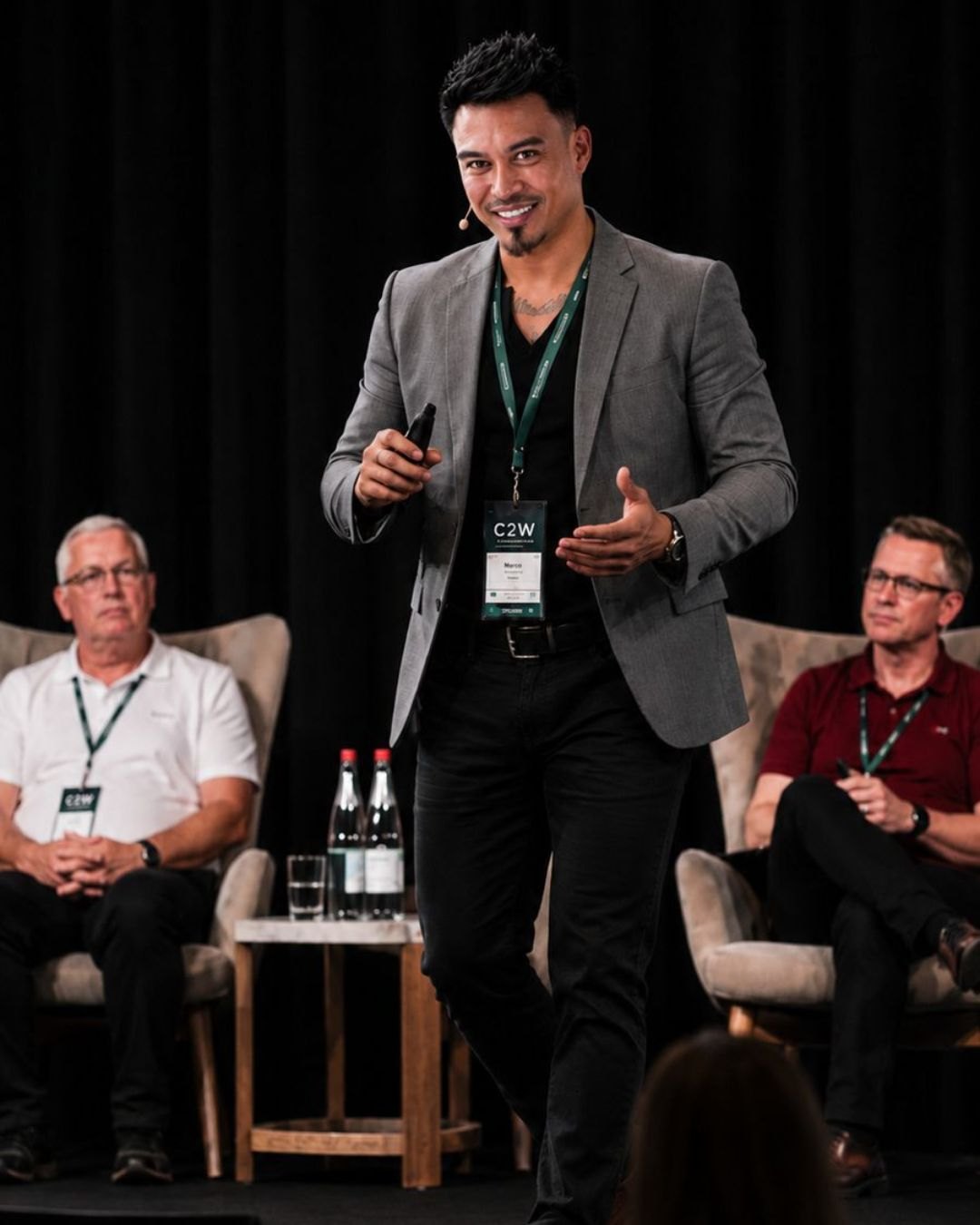
AI workflow optimization can help a company connect AI with the systems and processes it already uses, rather than redesigning everything from scratch. LYRIQ CEO Marco Perrott’s approach, profiled in BPOAI.ai’s Optimize, Don’t Redesign feature, starts by understanding the business, its workflows and where people should stay involved.
His concern is not that individual departments are doing AI wrong. It is that separate projects can leave a large company with several disconnected ways to use and manage it. The proposed alternative is one shared framework, shaped around the way the business already operates.
Start with the business, not the software
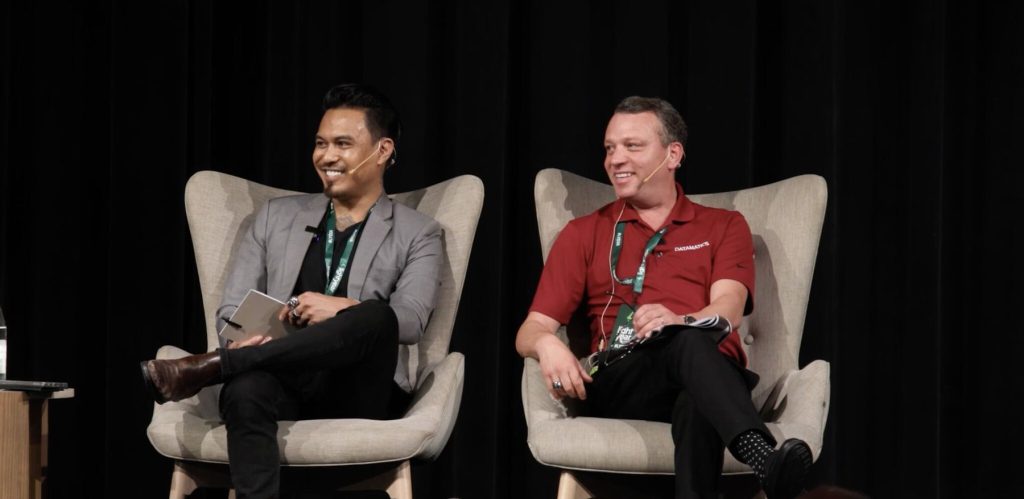
Perrott describes a familiar pattern in large enterprises: marketing tests one AI tool, operations adopts another, and finance runs a separate pilot. Each team may be responding to its own needs, but the result can be fragmentation. A year later, the company may have several approaches to AI without a common way to run them.
“A shared framework can turn separate experiments into coordinated work.”
His answer is not to dismiss those teams or insist that their work was a mistake. Instead, he argues that the company should establish a framework departments can share. If teams work from common foundations, the organization can avoid repeating the same lessons and spending resources and time on duplicated efforts.
That means changing the vendor’s starting point. Rather than arrive with a predetermined product and ask a company to adapt around it, LYRIQ says it first seeks to understand the client’s business. Perrott puts the idea this way: “Let us understand your business and we’ll bring the technology to you.” He says that approach begins with respect for the fact that the client has already built a successful operation.
In practice, the team looks at the client’s technology stack and how its work moves through the organization before building or deploying anything. The same questions guide each department: which systems it needs, how its workflow operates and where human oversight belongs. Only after those needs are understood does the deployment begin.
Perrott also argues for building around industries rather than creating a completely bespoke solution for each individual client. His reasoning is that software has become commoditized enough to make one-off builds a poor fit. For a buyer, the distinction matters: the proposal is to adapt AI to an organization’s working environment, not to treat every company as if its needs require an entirely separate product.
For Filipino professionals following developments in the local IT-BPM community, POEA Job Finder has also covered what LYRIQ’s IBPAP membership may signal for the Philippine IT-BPM landscape. That context is useful when considering how technology providers engage with the industry, while Perrott’s deployment approach focuses on how a particular client works.
What AgentConnect does: AI workflow optimization
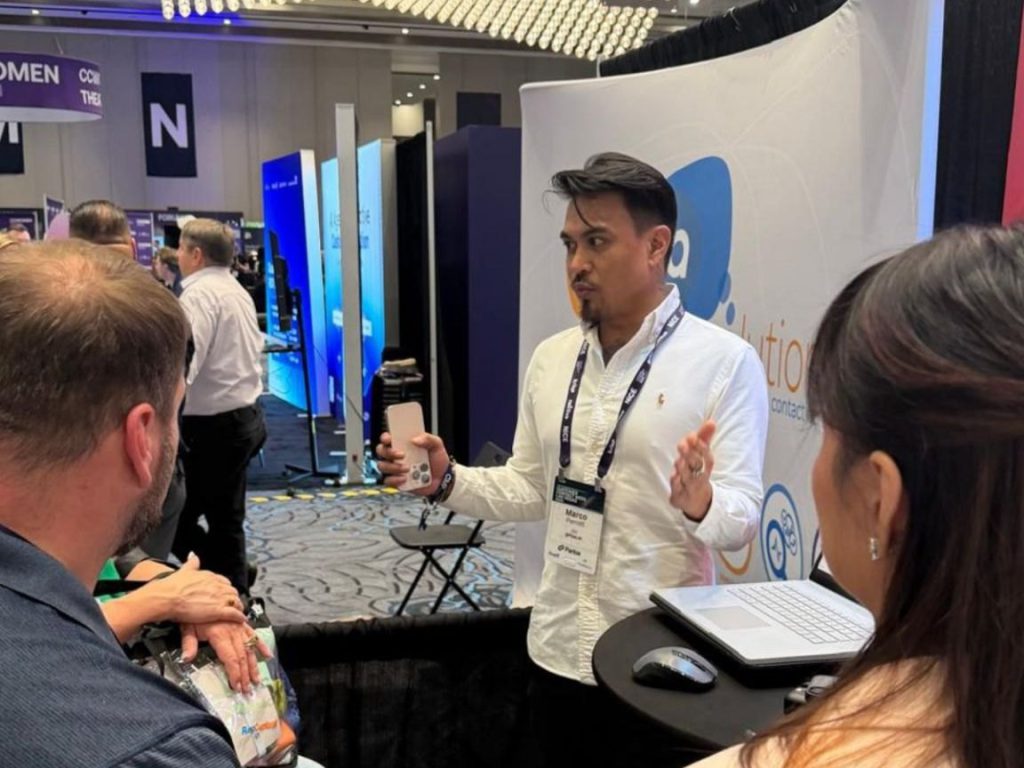
AgentConnect is LYRIQ’s governed AI orchestration platform. LYRIQ describes it as a way to connect a company’s knowledge, AI agents, workflows, business systems and people in one governed operation. Its stated purpose is to coordinate those elements without replacing the systems the company already runs.
That choice—to connect rather than require a wholesale switch—is central to the product description. LYRIQ says a company does not have to replace its CRM, telephony or ticketing platforms to use AgentConnect. Instead, the platform connects with those existing tools and gives AI agents a company knowledge layer to draw on while carrying out defined work.
The word “defined” is important to understanding the proposal. The agents are not presented as a reason to hand over every business process. The platform is described as giving agents access to relevant company knowledge for specified work, within an operation that also includes workflows and people. That aligns with Perrott’s emphasis on deciding where a human stays in the loop before deployment.
LYRIQ says AgentConnect includes a dashboard showing agents in flight: what is running, what has failed and what each agent costs to run. For organizations evaluating AI workflow optimization, that gives the platform’s stated approach a practical management dimension: a company can see the activity and costs of agents rather than treating deployment as invisible background software.
For contact centers, LYRIQ lists live agent coaching, automated quality-assurance scoring, an omnichannel inbox and no-code AI agent deployment among the platform’s features. These are the capabilities the company identifies; they should not be read as a guarantee of a particular outcome for every operation. The source’s central point is the framework: connect knowledge, tools, workflow and people while keeping existing business systems in place.
Not overnight magic

Perrott cautions against expecting an instant transformation. In his account, implementation involves the provider and client working together, revisiting decisions and delivering results week by week. The company’s workflows and systems are part of the process, so the work depends on collaboration rather than simply switching on a tool and walking away.
This expectation is consistent with the sequence he describes: understand the technology stack, map how work actually moves, decide where people remain involved, deploy and then improve. The order gives the client and provider a way to discuss the operation before choosing how AI fits into it. It also leaves room to learn from what is running and make adjustments over time.
Perrott also pushes back on a model in which a vendor charges a large amount and then locks a company into a solution. He says: “Long gone are the days where you could just charge a quarter of a million dollars and lock these companies in.” The source presents this as his view of how enterprise AI buying has changed—not as a general price list or a claim that every project costs the same.
For a company considering a deployment, that makes the working relationship part of the proposal. The platform alone is not the whole story in Perrott’s description; the client and provider are expected to go back and forth, use the organization’s existing context and work toward real results over time.
“Let us understand your business and we'll bring the technology to you.”Marco Perrott · CEO, LYRIQ
Small gains that compound

Perrott’s vision is for teams across a company—from marketing to operations to finance—to get a little more done each week. He describes a few-percent improvement for each team as something that could compound over a year. The point is not a promised result or a measured benchmark; it is his picture of how modest improvements across departments might add up.
That vision returns to the original problem of fragmented projects. If each team experiments in isolation, a company may struggle to build a shared understanding of what works. A common framework, by contrast, gives departments a basis for connecting their efforts and improving them in sequence. In that model, progress is incremental and tied to the organization’s real work, rather than dependent on a dramatic redesign.
For employers, the argument is to look beyond the novelty of an AI tool and ask whether it fits into the systems, workflows and human responsibilities already in place. For professionals, it is a reminder that technology adoption involves more than software: people still need to understand how work is done, where a process needs oversight and how a change affects the team.
About LYRIQ
LYRIQ builds AgentConnect, which it describes as a governed AI orchestration platform for BPOs, accounting practices and enterprises. Marco Perrott is the company’s founder and CEO and is also part of the team behind BPOAI.ai. The source feature was published by the BPOAI.ai editorial desk in October 2026 and marked as a five-minute read. It says AI helped draft the article, which the editorial desk reviewed and edited and checked against its original source.
The feature presents Perrott’s approach as a partnership: the vendor learns how the business runs, brings technology to those requirements and works with the client as the deployment develops. AgentConnect’s stated focus on connecting existing systems, company knowledge, AI agents, workflows and people follows that approach. The article’s broader message is not that every organization needs the same AI design, but that a shared operating framework can help separate departmental efforts fit together.
What Filipino job seekers can take from it
For Filipino job seekers and BPO professionals, the story offers a way to think about AI-related workplace change without assuming that technology automatically removes the need for people. Perrott’s described framework explicitly includes people in the loop and asks where human involvement is needed. That makes understanding a workflow, communicating how it works and knowing when a person should stay responsible relevant parts of the conversation.
If you are exploring work in IT-BPM or another organization adopting AI, focus on what a role actually involves and how technology fits into the team’s day-to-day work. The feature does not promise a specific job outcome or identify a particular vacancy. It does show why business knowledge, workflow understanding and thoughtful human oversight matter in the approach LYRIQ describes.
As you pursue opportunities, keep the employment process itself safe and clear. POEA Job Finder explains how to verify a licensed recruitment agency in the Philippines and how to assess a recruitment agency asking applicants for fees. For overseas employment and worker-protection information, consult the Department of Migrant Workers, the current Philippine agency.
The practical next step is to browse POEA Job Finder for openings that match your experience, then assess each opportunity carefully and prepare to explain the skills and judgment you can bring to a changing workplace.