
Filipino Pipefitters: How to Prepare for Overseas Jobs
Prepare for overseas pipefitting work with a practical plan for documents, recruitment checks, skills, finances and life abroad.
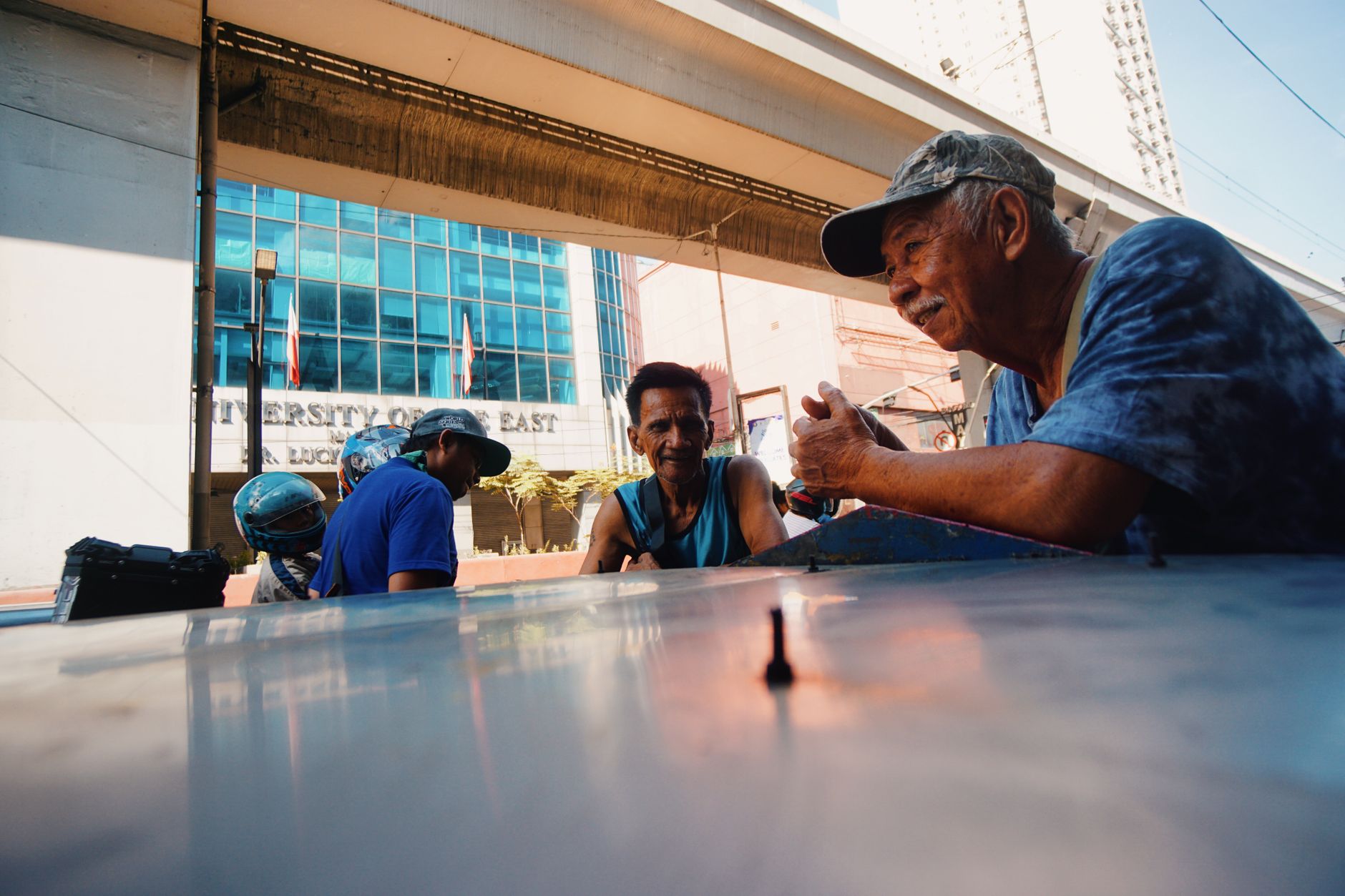
Filipino pipefitters can prepare for overseas work by organizing their documents, checking each job offer carefully and matching their skills to the destination’s requirements. A clear plan also helps you budget for the move and get ready for the practical and personal demands of working abroad.
Start before you apply: confirm your credentials, prepare a professional record of your work and use official guidance to check recruitment and travel requirements. These steps will help you assess opportunities with care rather than relying on promises or assumptions.
How Filipino pipefitters can build an overseas-ready profile
Before approaching employers, write down the pipefitting work you can demonstrate. Include the systems and materials you have worked with, the types of sites or projects you know, the drawings and specifications you can interpret, and the tasks you have handled. Be specific, but do not claim experience or credentials you cannot verify.
“Build your application around evidence of your work, and confirm the job and travel steps before committing.”
Prepare a focused résumé that explains your responsibilities and contribution on each project. Where possible, assemble a portable portfolio with project descriptions, technical drawings you are allowed to share, copies of relevant certificates and recommendation letters. Ask permission before including photographs or documents from an employer’s project; protect confidential information and follow any site rules.
A strong application connects your experience to the vacancy. Compare the job description with your résumé and note where your skills match. If there are gaps, identify what you can learn or document before applying. For wider job-search preparation, see this guide to applying for overseas jobs as a Filipino maintenance technician, which also discusses credentials, wellbeing and recruitment concerns.
Keep your application materials consistent. Use the same spelling of your name and the same contact details across your résumé, certificates and application forms. Protect the email account you use for applications with a strong, unique password and be cautious about unexpected requests for personal information. This guide to securing your email during an overseas job search can help you prepare.
Prepare your passport and supporting documents
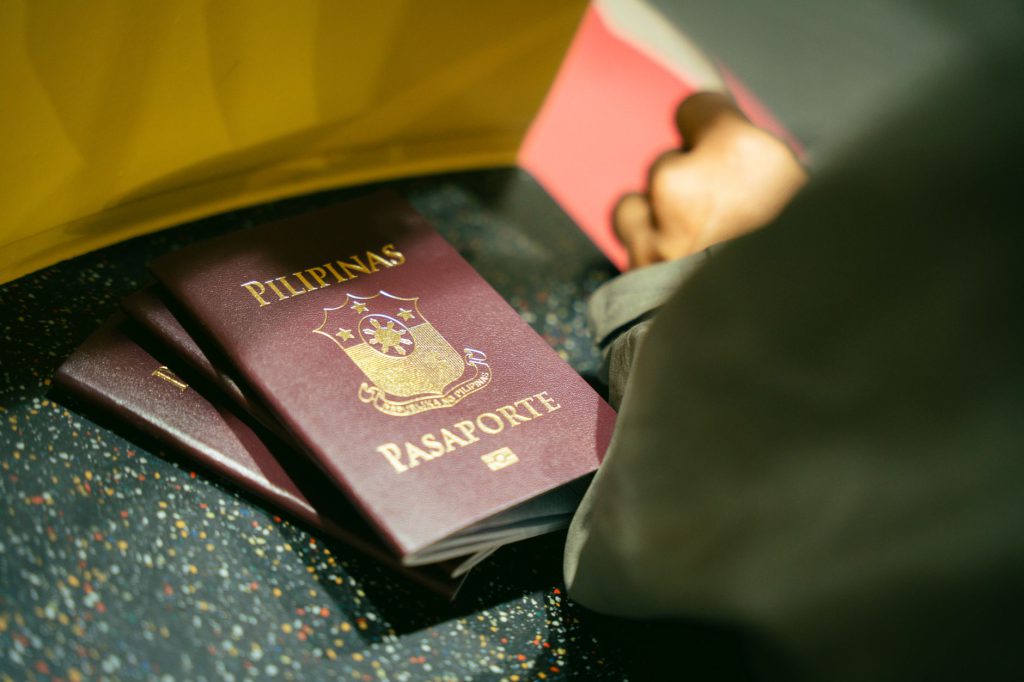
A valid passport is a basic part of overseas job preparation. Check its expiration date, condition and available blank pages well before you need to travel. Some destinations may require at least six months of passport validity beyond your intended stay, so confirm the rule for your destination and the terms of your travel documents instead of assuming one requirement applies everywhere.
Review the official instructions for passport applications or renewal. Gather the required supporting documents and make sure personal details match across records. If you are applying from the Philippines, check the appropriate Philippine passport service instructions; if you are already abroad, consult the relevant Philippine Embassy or Consulate for its process. Do not rely on an old checklist if official requirements have changed.
Keep secure digital copies of your passport and important records, as well as an organized physical file for appointments and travel. Limit access to digital copies and store them somewhere you can retrieve safely. The passport preparation guide for overseas applications offers a useful document-checking checklist.
Depending on the vacancy and destination, an employer may ask for proof of training, work history or other documents. Ask for a written list of requirements and clarify who must obtain each item, when it is needed and whether it needs translation or another form of verification. Keep originals secure and provide copies unless an official process specifically requires an original.
Check recruitment terms, contracts and visa requirements
Read the job offer and employment contract carefully before you commit. Confirm the job title, duties, work location, pay arrangements, working hours, overtime terms, accommodation support and any deductions or charges. Ask for unclear terms in writing. Do not treat a verbal assurance as a substitute for a document you can review and keep.
Recruitment costs can be confusing, so ask for a written explanation of every requested payment, what it covers and who receives it. Do not assume that a fee is required or lawful simply because someone asks for it. Avoid rushing into payment, keep receipts and records, and check current guidance with the Department of Migrant Workers (DMW) before proceeding. Use official information to verify the recruitment and overseas-employment steps relevant to your situation.
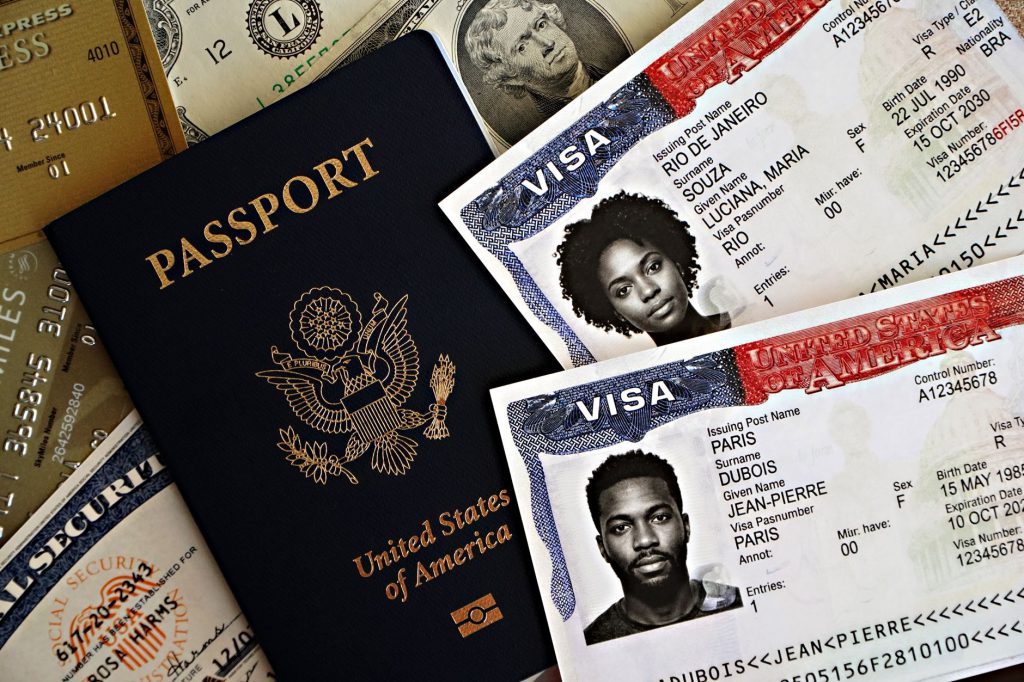
Check that the visa or work authorization matches the job and destination. Requirements differ, and an employer’s proposed process should not replace your own review of official instructions. Ask who is responsible for each application step, what documents you must provide and what happens if the job or travel plan changes. If you are targeting Australia, consult current official visa information for the specific work arrangement rather than relying on general online summaries.
Also review the destination’s labor rules and the protections described in your contract. Find out how the agreement explains insurance, benefits, dispute resolution and your options if the work differs from what was offered. If an answer is unclear or you feel pressured to sign, pause and seek guidance through appropriate official channels. A careful review before departure is easier than trying to resolve a misunderstanding after arriving.
For Filipino pipefitters, verifying recruitment terms through official guidance is an important part of assessing whether an overseas offer is ready to accept.
“A strong overseas application begins before you apply: know what you can do, what the job requires and what you need to verify.”Key insight · POEA Job Finder
Budget for accommodation and the move abroad

Housing can change how much of your income remains for daily expenses and family commitments. Before accepting an offer, research rental options near the work location and estimate the full cost, not just the advertised rent. Consider utilities, internet, maintenance, deposits and travel between accommodation and the worksite.
Ask the employer whether housing is provided, whether a housing allowance is available and what conditions apply. Clarify whether you will share accommodation, who pays bills and whether any costs are deducted from your pay. Get the details in writing, and compare the offer with local options so you understand what support means in practice.
Build a pre-departure budget that accounts for travel, initial housing costs, regular expenses and an emergency reserve. Make a plan for sending money home that considers transfer fees and exchange rates. Keep records of transactions and avoid committing your entire expected income before you know your actual costs. The guide to researching accommodation costs before accepting a job can help you compare housing and employer support.
Before you travel, ask how you will access your pay and what documents or arrangements you need to manage your money. If the employer offers an advance or stipend, clarify the amount, timing and repayment or deduction terms in writing. A realistic budget gives you room to adjust if housing or other costs differ from your estimate.
Strengthen technical, safety and communication skills
Employers may look for pipefitters who can adapt their existing experience to local codes, materials and work practices. Research the standards relevant to the destination and the specific vacancy. The notes in a job advertisement may refer to particular codes, certifications or installation methods; ask the employer which ones are essential and which can be learned after hiring.
International organizations and standards mentioned in the trade can include IAPMO, ASME, the International Plumbing Code and the Uniform Plumbing Code. Treat these as areas to investigate, not as universal requirements. Check whether a course or certificate is recognized for the role you want before paying for it. Short workshops or online learning can help you become familiar with terminology, but they do not automatically replace a required qualification.
Prioritize health and safety preparation. Review the hazards relevant to the work and ask which safety training the employer requires before starting. First aid, fire safety and hazardous-material handling are useful areas to consider when they match the job. Keep copies of completed training records with your application documents. For local technical-vocational training information, consult TESDA’s official site and confirm that a course suits your intended role.
Communication is part of safe, accurate work. Practice reading technical drawings and specifications, recording progress and asking clear questions when instructions are uncertain. Learn the industry terms used in the destination and, where relevant, basic greetings or workplace phrases in the local language. Pay attention to differences in measurement units, pipe-size naming, abbreviations and drawing conventions; confirm them with the team instead of guessing.
Project coordination can also make you more effective on site. Build familiarity with schedules, material deliveries, daily logs, safety briefings and progress updates. You do not need to present yourself as a project manager to show that you can communicate delays, coordinate with other trades and follow the agreed sequence of work. Describe these abilities accurately in your résumé and interview.
Prepare for workplace adjustment and long-term growth
Working abroad means adapting to a new workplace as well as a new location. Learn about expected punctuality, communication styles, workplace hierarchy and local customs before departure. When you arrive, observe how colleagues handle meetings, breaks and questions. If a practice is unfamiliar, ask respectfully rather than making assumptions. Professional curiosity can prevent avoidable misunderstandings.
Plan for your mental wellbeing, too. Moving away from familiar routines and family can be stressful. Arrange regular check-ins with loved ones, make time for hobbies and exercise, and look for Filipino or other community groups if that would help you feel connected. If stress becomes difficult to manage, consider seeking professional support available in your location. Asking for help is a practical part of staying well, not a sign that you have failed.
Keep learning after you start work. Track the skills you gain, note feedback from supervisors and identify what you want to improve next. You might build knowledge in a specialty, strengthen drawing or documentation skills, or prepare for a role with more responsibility. Research any local certification or licensing pathway before investing time or money, since requirements depend on the destination and the work.
Make a simple career plan that connects your current role to a next step. Save copies of training records and permitted examples of your work, update your résumé as your experience grows, and stay in touch with professional contacts. A clear record of what you have done can help you explain your value when applying for another role or discussing development with an employer.
Before accepting an offer, return to the essentials: confirm the work and contract details, verify travel and recruitment requirements, estimate your housing and moving costs, and prepare the skills and documents the employer expects. Then choose one immediate action—such as checking your passport, requesting written clarification or organizing your portfolio—and complete it before applying. Filipino pipefitters preparing to apply can browse overseas opportunities on POEA Job Finder with their documents and questions ready.