
We Are Not a BPO. That’s Why We Need One
A Melbourne trades business wants AI to handle routine volume and trained people to own the decisions. That model could create new opportunities for Filipino BPO professionals.
Human-in-the-loop AI means using automation for routine first drafts while trained people check the work and make the decisions that matter. That model can help trades businesses keep up with admin without asking skilled crews to become office workers. It also creates a practical role for BPO professionals who can review AI output with care and context.
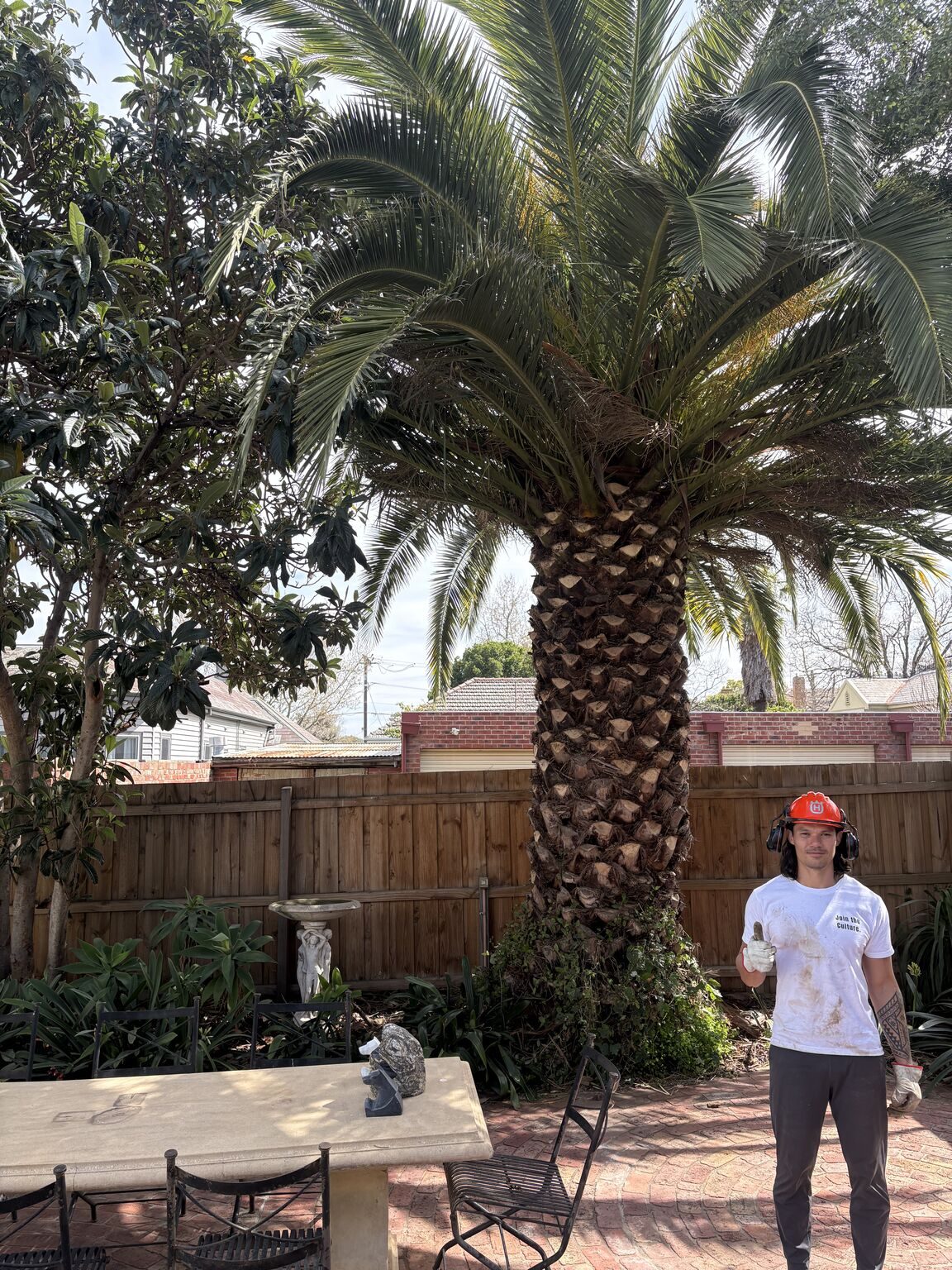
That is the case made by Bobby Pallier of Trees Landscaping & Cultures (TLC), a Melbourne arboriculture and landscaping contractor. In a BPOAI.ai article, Pallier explains why his company wants a trained person at each point where AI hands work back to a human.
Source: We Are Not a BPO. That's Why We Need One. | BPOAI.ai
The work is there. The hours are not.

TLC is run by Pallier and his business partners Matthew Fittell, who leads Operations, and Arielle Bustos, who leads Brand and Media. The crews work with chainsaws, chippers and outdoor job sites. Yet the company also depends on a steady stream of information work: answering enquiries, preparing quotes and reports, onboarding subcontractors, handling council paperwork and sending invoices.
“Let the agent prepare the work; let a trained person own the outcome.”
Every task needs someone who understands what a good result looks like. The issue is not a lack of demand. Storms, development, council requirements and ageing tree canopies keep calls coming in. The issue is that the day has limited hours, and the back-office work often takes place after a crew packs up—or instead of taking the next job.
Quotes, follow-ups, compliance forms, reports and invoices can all compete with time spent on site. When the admin falls to arborists and landscapers, jobs may go unquoted, enquiries may grow cold and skilled operators may lose evenings and weekends to paperwork. Pallier argues that taking admin off their plates does not mean turning tradespeople into office staff. It means assigning that work to people trained to handle it properly.
“Arborists and landscapers do hard, skilled and necessary work. They keep our streets safe and our yards alive. They should not lose their evenings, their weekends and their families to admin.”
A country short of trades

TLC’s experience reflects a wider capacity problem. Jobs and Skills Australia’s 2025 Occupation Shortage List found that 29% of assessed occupations were in shortage, down from 33% in 2024. Nearly half of trade roles were still short. That leaves fewer skilled hours available, and paperwork can take up time that would otherwise go toward skilled work.
Other figures in the article point to the cost of slow administration. Research commissioned by OpenAI found that 62% of small business owners said quoting, invoicing or scheduling took up more of their week than the work itself. Among construction respondents, 45% said they had lost work because they were slow to respond. Separate Australian Chamber of Commerce and Industry research found that 39% of small businesses spent more than six hours a week dealing with red tape.
These results describe different surveys, but they point to a shared concern: work can be lost when a small business cannot keep up with enquiries and administration. In a survey from Thryv’s 2025 Business Index, 36% of Australian small business owners named admin as the most time-consuming part of their week. That result is indicative, not definitive. The article also reports that trade prices rose 5.1% in the first half of 2026, the fastest six-month increase since the 2022 shortage peak, according to HIA reporting. The figures and their source notes are laid out in the BPOAI.ai account of TLC’s case.
For homeowners, councils and property managers, scarcity can mean longer waits and higher prices. A tree that needs attention may wait for an available crew, while the quote reflects how limited that capacity is. The point is not that software can solve a shortage of qualified tradespeople. It is that skilled time should not be wasted on avoidable admin when customers are already waiting.
Where human-in-the-loop AI fits
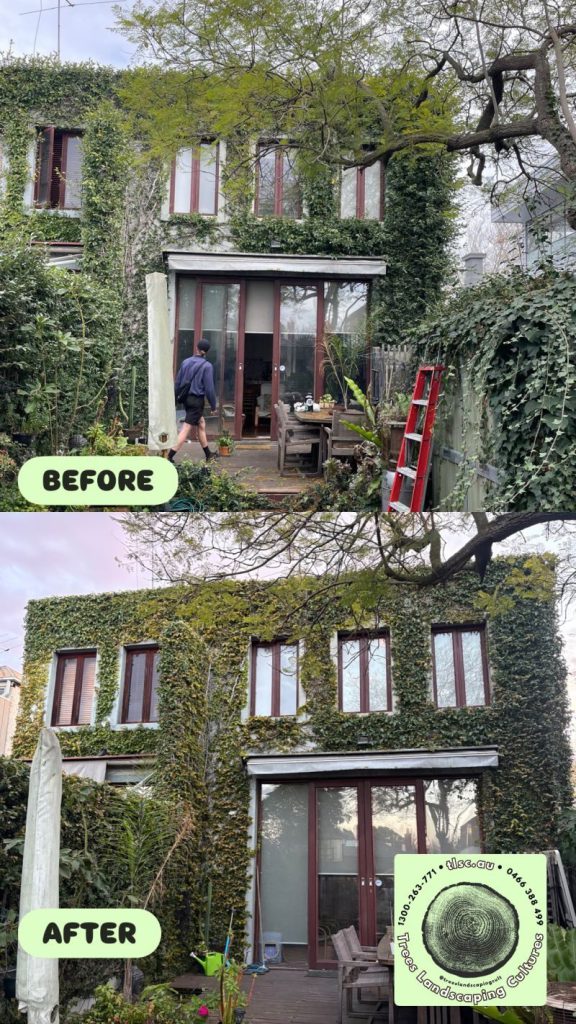
AI cannot grow a climber or replace the expertise of a licensed operator. Those skills take years to develop, and the industry still needs people to enter the trades. AI can, however, help protect the skilled hours businesses already have by taking on some repetitive information work.
In TLC’s proposed workflow, an AI agent might draft a quote, sort an enquiry, summarise a call or check a form. A trained person reviews the result, corrects errors and approves it before anything important goes out. As Pallier puts it: “What AI can do is protect the skilled hours we already have. Every hour a qualified person spends on quoting, chasing and paperwork is an hour not spent on a tree or a yard.”
The goal is practical: respond and quote promptly, keep servicing incoming work, finish jobs on time and maintain a consistent standard. A skilled crew stays focused on the tools while an AI-literate team handles appropriate back-office tasks. For Filipino BPO professionals, this kind of work can draw on customer service, administration and compliance experience—but it also asks for careful checking, sound judgment and willingness to flag uncertainty.
That distinction matters for job seekers following AI’s effect on outsourcing. A useful starting point is to see how one outsourcing company describes its employees’ use of AI in Sourcefit’s staff survey on AI at work. For another perspective on keeping employees involved as BPO work changes, read about Andy Schachtel’s people-first approach.
“We are not a BPO. We are the kind of business that needs a trained human at every checkpoint where AI hands work back.”Bobby Pallier · Co-founder, Trees Landscaping & Cultures (TLC)
AI does the volume; skilled people own the judgment

TLC’s approach is not based on replacing people with automation. The company is building its operations with LYRIQ as its technology and AI partner, and Pallier says the missing piece is the people. The proposed model gives an agent the first pass, then gives a trained worker responsibility for checking the result and handling decisions that require context.
That division applies across ten functions. In customer sales, an agent can qualify enquiries, draft quote packs and prepare follow-ups; a person sets pricing, chooses the tone and approves the final message. For contractor sales and onboarding, automation can screen applicants, arrange calls and assemble onboarding packs, while a human handles vetting, referee checks and the final decision.
For marketing and branding, an agent can draft posts, suburb pages and listing updates. A person protects the brand voice, checks accuracy and decides what should be left unsaid. In legal and compliance support, software can flag missing clauses and track documents or expiry dates; people review against relevant rules and standards, escalate issues and refer legal questions to a qualified lawyer.
For business-to-business and council tenders, automation can find notices, extract requirements and prepare a response shell. People decide whether to bid, set pricing and plan referee strategy. For government and panel registrations, a system can monitor portals, deadlines and renewals, while a person checks declarations and certifications and submits the application.
In finance, an agent can match invoices, reconcile entries and draft reports. People manage exceptions, approvals and tax-sensitive decisions. Customer service automation can answer routine questions and sort requests by urgency, while a person handles complaints, safety concerns and unusual cases. Operations tools can propose crew and job sequences and prepare run sheets, but dispatch decisions and site-specific risks need human review. Finally, quality systems can check job photos and paperwork against a checklist; a person signs off on what the client receives.
“None of these roles needs a chainsaw. All of them need someone who understands the work.” That is the distinction behind human-in-the-loop AI: the agent helps with volume, but a worker who understands the task owns the outcome.
Why the BPOAI.ai network
TLC says it is not looking for anonymous labour. It wants people who already have skills, have been vetted and are continuing to learn. Pallier sees the BPOAI.ai network as a possible match because its AI Academy links badges to completed training and checks for actual AI use rather than relying only on claims.
The article describes the Philippines as having a deep pool of experienced customer, back-office and compliance professionals. For some, the next development step may be supervising AI agents rather than competing with them. The career path Pallier describes moves from doing a task, to checking a machine that performs it, to helping design the workflow around it.
For a small Australian contractor, this model could provide back-office support without building a large head office. For a Filipino professional, it points to the value of combining existing BPO strengths with AI literacy, accurate review and the confidence to raise concerns. Those interested in skills development can check TESDA’s official training and technical-vocational information for relevant learning options.
Guardrails come first—and what BPO leaders should ask
The approach only works when responsibilities and protections are clear. Consequential actions should pause for human approval. The source says LYRIQ’s AgentConnect platform is built around approval gates, execution traces and audit logs. That description matters because speed alone is not enough: a business needs to be able to see what the agent did and who approved the result.
Engagement terms must also be clear, with fair pay and proper contracts. TLC describes its own model as outcome-based and says it should not be labour hire by another name. Customer and contractor data should be limited according to role, and cross-border handling should follow Australian and Philippine requirements. Compliance support is not legal advice; questions that need a lawyer should go to one. In short, the agent proposes, the human decides and the log records the process.
Pallier’s question for BPO leaders is direct: if a client’s AI agent gets something wrong at the start of the workweek, who on the team catches it? If nobody does yet, the business has a training gap—and an opportunity to develop people who can verify AI work. As clients hand first drafts to automated systems, the person who checks those drafts becomes part of the service they are buying.
For Filipino job seekers, the takeaway is not to assume that every AI-related role is automatically a good opportunity. Ask what work the system performs, what a human reviewer is expected to do, how errors are escalated, what training is provided and how the employer handles data and contracts. Before sending personal information or accepting an offer, use this guide to checking a BPO company. If a recruiter asks for money, review how to check recruitment fees and protect yourself before paying anything.
The practical next step is to build evidence of careful work: strengthen your communication and documentation skills, learn how to review AI-generated output, and be ready to explain when you would escalate an uncertain result. Then look for roles where human judgment is part of the job description—not an afterthought.