
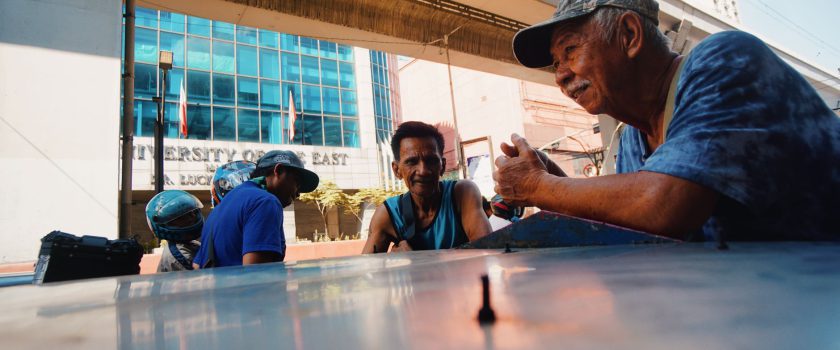
Filipino Pipefitters: How to Prepare for Overseas Jobs
Filipino pipefitters looking to expand their horizons often face a maze of paperwork, cultural adjustments, and financial planning. By following a structured preparation plan, they can increase their chances of landing a rewarding overseas position and thrive abroad.

1. Master Your Passport: The First Step for Filipino Pipefitters
Before you can apply for any overseas job, you need a valid passport. Learn the seven essential steps to prepare your passport for overseas job applications. These steps include verifying expiration dates, ensuring you have enough blank pages, and applying for a passport renewal if needed. A clean, up‑to‑date passport is the foundation of any successful application.
Key Actions for Filipino Pipefitters
- Check the passport’s validity—most countries require at least six months of validity beyond your intended stay.
- Gather required documents such as birth certificates and police clearance.
- Schedule an appointment at the nearest Philippine Embassy or Consulate.
- Keep a digital copy of your passport for quick reference.
2. Understand Recruitment Agency Fees: Protect Yourself as a Filipino Pipefitter
Many overseas job seekers rely on recruitment agencies. However, find out if recruitment agencies can legally charge applicants fees. Filipino pipefitters should be vigilant about hidden costs and ensure any fee is clearly disclosed before signing a contract.
What Filipino Pipefitters Should Look For
- Transparent fee structures—no upfront costs for job placement.
- Written agreements detailing all fees and services.
- Reputable agency reviews and testimonials.
- Clear exit clauses if the job offer falls through.
3. Research Accommodation Costs Before Accepting an Overseas Job
Housing is a major expense that can impact your overall budget. Learn how to research accommodation costs before accepting an overseas job. Filipino pipefitters should compare local housing options, negotiate rent, and understand the terms of any housing allowance.
Practical Tips for Filipino Pipefitters
- Use online portals to compare average rents in the host city.
- Ask the employer about housing allowances or company-provided rooms.
- Factor in utilities, internet, and maintenance fees.
- Plan a buffer for unexpected costs.
4. Safeguard Your Mental Wellbeing While Abroad
Working overseas can be stressful. Discover practical ways OFWs can safeguard their mental health while abroad. Filipino pipefitters should build a support network, practice self‑care, and stay connected with family.
Self‑Care Strategies for Filipino Pipefitters
- Schedule regular check‑ins with loved ones back home.
- Join local Filipino communities or expatriate groups.
- Set aside time for hobbies and exercise.
- Seek professional counseling if needed.
5. Stand Out in the Global Job Market
To increase employability, Filipino pipefitters can learn from global best practices. Global Candidates Tips: How to Stand Out in the International Job Market offers actionable advice on showcasing skills, certifications, and experience.
6. Leverage the Benefits of Hiring Filipinos
Employers often value Filipino talent for reliability and skill. The Benefits of Hiring Filipinos highlights why Filipino pipefitters are a sought-after asset in international projects.
7. Navigate Visa Requirements with Confidence
Understanding visa types and requirements is crucial. A Comprehensive Guide to Australian VISAs provides detailed information for those targeting Australian jobs.
Enhance Your Technical Credentials with International Standards
While a solid foundation in Philippine pipefitting practices is essential, many overseas employers look for familiarity with international codes and standards. Pursuing certifications such as the International Association of Plumbing and Mechanical Officials (IAPMO) or the American Society of Mechanical Engineers (ASME) can make your résumé stand out. Even if you cannot attend a full‑time course, short workshops or online modules that cover topics like the International Plumbing Code (IPC) or the Uniform Plumbing Code (UPC) demonstrate a willingness to adapt to global best practices.
Many countries also require knowledge of local building regulations. Before applying, research the host nation’s plumbing and construction codes. A quick review of the relevant sections—such as pressure ratings, material specifications, and installation guidelines—can help you answer technical interview questions confidently and show that you’re ready to hit the ground running.
Build a Strong Language & Communication Toolkit
Clear communication is a cornerstone of any successful pipefitting project. While English is widely used in international construction, many host countries have local languages that influence daily interactions. Enrolling in a language course that focuses on industry terminology can give you a competitive edge. Even basic conversational skills in the host country’s language can foster better relationships with colleagues, supervisors, and clients.
Additionally, mastering written communication—such as drafting reports, reading technical drawings, and interpreting specifications—ensures that you can navigate project documentation without delays. Consider practicing technical writing through mock reports or by translating existing drawings into your own notes.
Prioritize Health & Safety Training
Health and safety standards vary significantly across borders. Familiarize yourself with the Occupational Safety and Health Administration (OSHA) guidelines, the International Labour Organization (ILO) conventions, and any country‑specific safety protocols. Many employers will require proof of completed safety training before you can start work.
Completing a first aid course, learning about hazardous material handling, and understanding fire safety procedures are practical steps that can be completed through local training centers or online platforms. Carrying a copy of your safety certifications on your resume and in your personal file can expedite the onboarding process.
Develop Cultural Adaptation Skills
Working abroad means stepping into a new cultural environment. Understanding basic cultural etiquette—such as greeting customs, punctuality expectations, and workplace hierarchy—helps you integrate smoothly. Reading about the host country’s business culture or participating in cultural exchange forums can provide insights that reduce misunderstandings.
When you arrive, take the time to observe local practices. Ask colleagues about preferred communication styles, break schedules, and holiday observances. Demonstrating respect for local customs not only builds rapport but also signals professionalism to your employer.
Plan Your Finances and Remittance Strategy
Financial stability is crucial for a successful overseas stint. Before you leave, set up a clear budget that includes travel costs, initial accommodation deposits, daily expenses, and emergency funds. Research the most cost‑effective ways to transfer money back home—whether through banks, online remittance services, or mobile wallets—and understand the associated fees and exchange rates.
Many employers offer a salary advance or a housing stipend. Clarify the terms of any financial benefits in writing, and keep records of all transactions. A well‑managed budget reduces stress and allows you to focus on your work and personal development.
Leverage Professional Networks and Associations
Joining international pipefitting associations—such as the International Pipefitters Association (IPA) or local engineering societies—provides access to industry news, job boards, and continuing education opportunities. These networks also offer mentorship programs where experienced professionals share insights about working abroad.
Active participation in forums, webinars, and conferences can expand your professional circle. When you network, bring a clear agenda: ask about project trends, employer expectations, and tips for navigating the local job market. A strong network can often lead to referrals and insider information that formal applications may miss.
Commit to Continuous Learning and Upskilling
The construction industry evolves rapidly, with new materials, technologies, and sustainability practices emerging regularly. Staying current through online courses, certifications, or on‑the‑job training keeps you competitive. Topics such as smart building systems, renewable energy integration, and advanced welding techniques are increasingly relevant in international projects.
Set a learning goal each year—whether it’s mastering a new software tool, obtaining a specialty certification, or attending a workshop. Demonstrating a commitment to lifelong learning signals to employers that you’re adaptable and forward‑thinking, qualities that are highly valued in global teams.
Understand the Legal Landscape of Your Destination Country
Beyond visas, each country has its own set of labor laws that directly affect how pipefitters are hired, paid, and protected on the job. Before signing any contract, take the time to read the local labor code or consult a reputable expatriate legal guide. Key points to check include:
- Minimum wage and overtime regulations
- Contractual rights for foreign workers
- Dispute resolution mechanisms
- Mandatory insurance and benefits
Having a clear grasp of these rules not only protects you from exploitation but also gives you confidence when negotiating terms with potential employers.
Build a Portable Portfolio of Your Work
Employers around the world increasingly rely on visual evidence of a candidate’s skills. A well‑organized portfolio can turn a routine resume into a compelling story of your expertise. Include:
- High‑resolution photos of completed projects, with brief descriptions of scope and challenges
- Copies of certifications, licenses, and safety training certificates
- Technical drawings or schematics you’ve interpreted or modified
- Testimonials or recommendation letters from previous supervisors or clients
Store your portfolio both in a physical binder for in‑person interviews and in a cloud‑based format (PDF or PowerPoint) that can be emailed or uploaded to job portals. A polished portfolio demonstrates professionalism and readiness for international assignments.
Master Project Management Basics
Many overseas projects require pipefitters to collaborate closely with project managers, architects, and other trades. Familiarizing yourself with basic project management principles can set you apart:
- Learn how to read and interpret project schedules (Gantt charts, critical path method)
- Understand cost estimation techniques and how to track budget variances
- Practice effective site communication—daily logs, safety briefings, and progress reports
- Develop skills in coordinating material deliveries and managing subcontractors
Short online courses or workshops in project management can provide the foundational knowledge needed to contribute meaningfully to international teams.
Prepare for Cultural Nuances in Technical Communication
Technical documents often carry cultural nuances that affect interpretation. For example, measurement units (imperial vs. metric), naming conventions for pipe sizes, and even the layout of schematics can differ between regions. Before you start a project, review:
- Standardized naming conventions used in the host country’s industry
- Common abbreviations and symbols in local technical drawings
- Preferred formats for safety and compliance documentation
By aligning your documentation style with local expectations, you reduce the risk of errors and demonstrate respect for the host country’s professional standards.
Plan for Long‑Term Career Growth Abroad
Securing a job is just the first step. Think ahead about how you can advance your career while overseas:
- Identify opportunities for higher responsibility, such as lead pipefitter or project supervisor roles
- Explore pathways to local professional licensure or certification that may open doors to senior positions
- Stay informed about industry trends—green building, energy efficiency, and digital fabrication—that could position you as a specialist
Setting long‑term goals and regularly assessing your progress keeps your overseas experience purposeful and rewarding.
For decision-makers, Filipino Pipefitters works best when workforce needs, candidate quality and onboarding responsibilities are defined clearly from the outset.
A practical Filipino Pipefitters strategy should be reviewed against business needs, worker experience and long-term workforce outcomes rather than treated as a one-off hiring exercise.
When planning Filipino Pipefitters, employers should keep communication, role expectations and workforce integration clear throughout the recruitment process.
Successful Filipino Pipefitters depends on consistent planning, transparent expectations and regular review of recruitment and retention outcomes.
For decision-makers, Filipino Pipefitters works best when workforce needs, candidate quality and onboarding responsibilities are defined clearly from the outset.
A practical Filipino Pipefitters strategy should be reviewed against business needs, worker experience and long-term workforce outcomes rather than treated as a one-off hiring exercise.
When planning Filipino Pipefitters, employers should keep communication, role expectations and workforce integration clear throughout the recruitment process.
Successful Filipino Pipefitters depends on consistent planning, transparent expectations and regular review of recruitment and retention outcomes.
For additional context, explore The Strength of the Filipino Workforce: A Look at the Skills and Qualities That Make Them Stand Out.
Conclusion
Filipino pipefitters who systematically prepare—starting with passport readiness, scrutinizing agency fees, researching accommodation, protecting mental health, and leveraging global resources—can secure overseas positions with confidence. By following these steps, they position themselves as reliable, skilled professionals ready to contribute to international projects.