
How to Use Online Job Platforms Safely When Applying Abroad
A careful online search starts with checking the platform, then verifying the employer before you share personal information or documents.

Using online job platforms safely means checking both the listing and the people behind it before you share personal information. For Filipino job seekers and OFWs, a careful process can help you spot suspicious offers, protect your documents and focus on legitimate opportunities abroad.
Choose online job platforms carefully
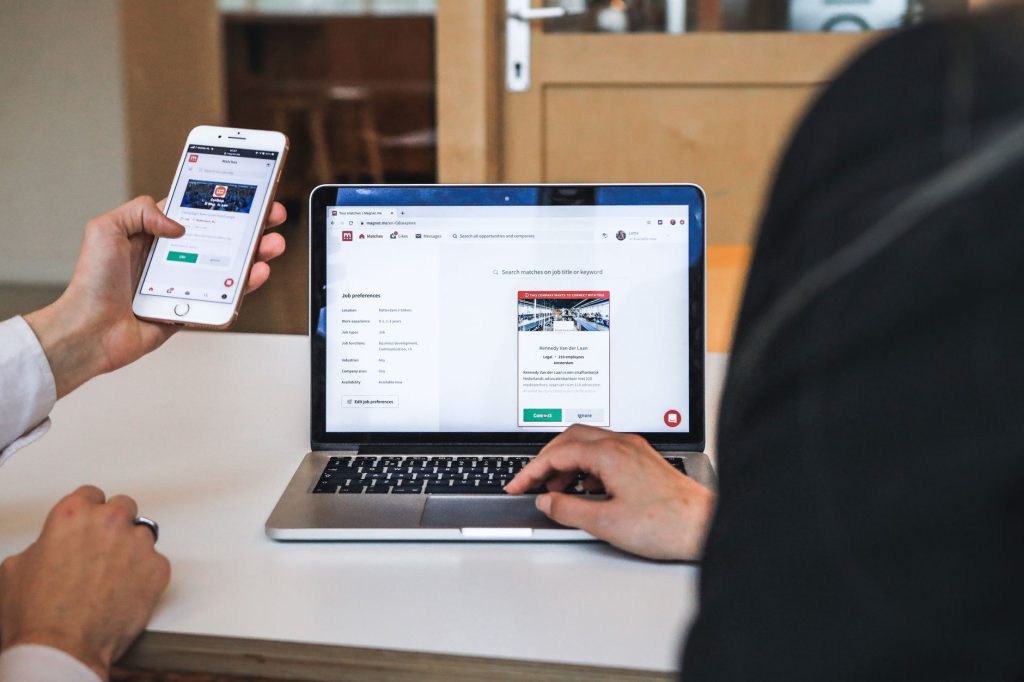
Before creating an account or uploading your résumé, take time to learn about the platform. Look for a clear privacy policy that explains how your information may be used, and search for independent reviews. Check whether the site has a visible company identity and a way to contact its support team. A polished design alone is not proof that a service is trustworthy.
“Pressure to act fast is a reason to pause, not a reason to send money or documents.”
Online job platforms, professional networks and portals for international candidates can all help with a search, but treat every listing as something to verify. A platform may host an opportunity without being the employer or confirming every detail for you. Be especially cautious if a site is new to you, has little independent information available or asks for personal details before explaining its purpose.
Use an email address dedicated to applications and review the platform’s privacy settings before you publish a profile. If you are unsure how to reduce unwanted messages and protect your inbox, read POEA Job Finder’s guide to securing your email during overseas job applications. Keep a note of the sites where you have created accounts so you can revisit their settings and manage your applications.
When considering overseas work, a job board is only one part of your research. Make sure the role, employer and recruitment process make sense together. If the platform or advertiser cannot provide enough information for you to check those details independently, pause before proceeding.
Protect personal information at every stage
A résumé needs to show your qualifications and experience, but it does not need to expose every detail about you. Avoid putting highly sensitive information in a public profile or sending it in an initial message. In particular, do not provide a Social Security number or passport number unless you have verified that you are using a genuine employer portal and that the information is required for the process.
Use a dedicated job-search email address, choose a strong password and enable two-factor authentication wherever the platform offers it. Avoid reusing a password from another account. Be alert to messages that ask you to confirm login details through a link or to send documents to an unfamiliar address. If a request feels unexpected, return to the platform or employer’s official site using contact details you find independently.
Set your profile visibility to private or limited while you are preparing your search. You can choose to make it more visible when you are ready to be found by recruiters. Review what a viewer can see, including your contact information and uploaded files. This helps you share relevant career details while keeping personal information out of view when it is not needed.
Keep passport and identity documents separate from a general résumé. Before preparing a passport for an overseas application, use this passport preparation guide for overseas job seekers to check that your details are consistent and to confirm visa requirements with official sources. Do not send a document simply because someone says it is urgent; first establish who is asking and why it is needed.
Recognize warning signs in job listings

Read the full listing rather than relying on its headline or a recruiter’s short message. A useful description should give you enough detail to understand the role, responsibilities and company location. Be cautious when the employer is unnamed, the duties are vague or the recruiter avoids answering reasonable questions about the position.
Watch for promises that sound unusually attractive, such as an unrealistic salary or a guarantee of placement. Requests for upfront payment for a background check or training are another warning sign identified in the current guidance. Do not pay or share financial details just because a message says that a vacancy will disappear if you wait.
Check the company name, website and contact information independently instead of relying only on links in a job message. Compare the role information across the employer’s official channels. If details conflict, or you cannot confirm that the company is connected to the vacancy, stop and ask for clarification before sharing documents or making a commitment.
Keep the full conversation with the recruiter and take note of the listing details. A copied job description, email address or company name can help you compare what you were told with information on the official site. If someone changes the terms, asks for an unexplained payment or pressures you to send sensitive information, treat that change as a reason to investigate further.
“A secure application is not just about where you click; it is about confirming who is asking and why.”Key insight · POEA Job Finder
Verify the employer before sending documents

Once a listing interests you, investigate the employer separately from the platform. Search for the company’s official website and look for consistent contact details. Check its LinkedIn page or official social media channels, and compare the advertised role with information published by the company. Do not assume that a logo, profile photo or email signature proves a recruiter’s identity.
Contact the company using a phone number or email address found on its official site, not just the contact details supplied in an unexpected message. Ask whether the recruiter and vacancy are genuine. You can also request an introductory call or video chat to discuss the role, company culture and next steps. Use that conversation to ask about relocation support, visa sponsorship and onboarding arrangements where they apply to the opportunity.
A legitimate hiring conversation should give you a clear explanation of the position and recruitment process. If the person will not answer basic questions, asks you to move the conversation to an unrelated channel without explanation or insists on receiving sensitive documents before identifying the employer, pause. You are entitled to verify the opportunity before continuing.
For skilled workers, the preparation may include checking credentials as well as the offer. Filipino pipefitters can use this guide to preparing for overseas pipefitter jobs for help with documents, offer checks and technical readiness. Maintenance technicians can review steps for applying to overseas maintenance jobs, including credential validation and agency-fee considerations.
Use secure connections and file-sharing practices
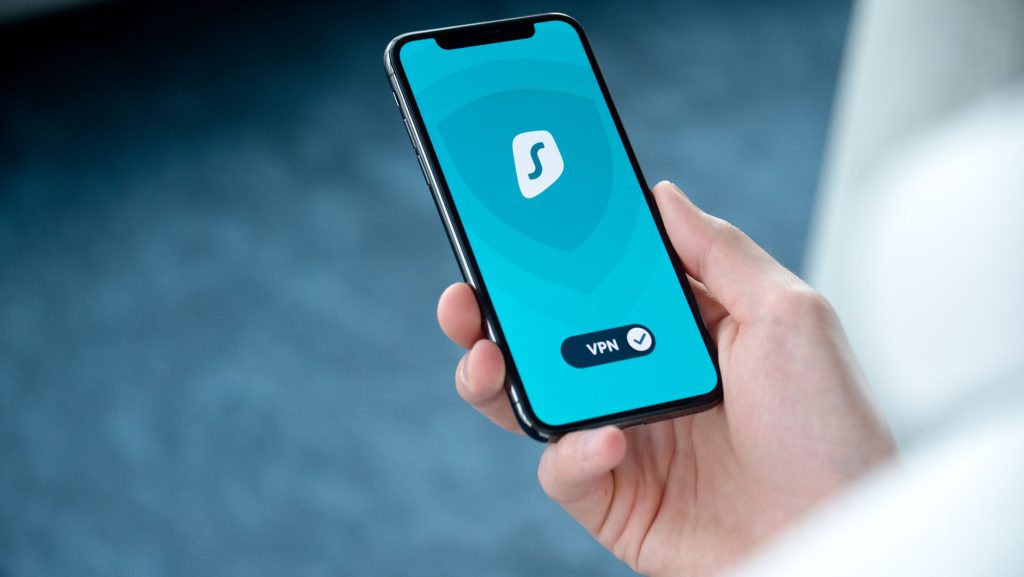
When accessing an application site, check that its address begins with HTTPS and that the browser shows a lock icon. Use a secure connection rather than submitting documents over an unsecured public network. If you must access a platform through a public or unsecured network, the guidance recommends using a reputable VPN. Keep your operating system and antivirus software up to date to help guard against malware.
Online job platforms may offer tools for submitting applications, but a secure connection alone does not establish that a vacancy or employer is genuine. Continue to verify the company and the person requesting your information. Do not open unexpected attachments or download files from a sender whose identity you have not confirmed.
If you need to share sensitive documents and are uncertain about a job board’s file-upload security, use a reputable cloud storage service that offers end-to-end encryption. Share the file through a password-protected link with a short expiration date, and confirm receipt with the hiring manager before removing it. Only share the documents needed for the step you have verified.
Keep copies of emails, platform messages and files exchanged during the application. Archive or label messages so you can retrieve the conversation if you need to check what was requested or what terms were discussed. These records can also help you keep track of applications and identify inconsistencies if a conversation changes direction.
Build a professional profile and keep learning
A clear digital profile can help an overseas recruiter understand your experience. Keep your résumé and cover letter concise, use keywords relevant to your occupation and describe achievements in a specific way. A professional photo and a short bio that highlights relevant international experience may help present your background, while a clear boundary between personal and professional information protects your privacy.
Networking can complement job boards and provide another route to learning about an opportunity. Join professional groups, attend virtual industry events and take part in forums related to your field. A referral or introduction can give you a person to speak with, but it does not replace independent checks of the employer, role and recruitment process.
Keep up with warnings about phishing, fake job alerts and deceptive recruitment practices through reputable career information sources. Scams change their wording and approach, so review unfamiliar requests carefully instead of relying on a single checklist. If you are applying from the Philippines, consult the Department of Migrant Workers (DMW) for official information on overseas employment, recruitment fees and worker protection.
Applying abroad can be exciting, but your skills and experience deserve a careful process. Verify the platform, listing and employer; limit what you share; and keep a record of your communications. Before sending an identity document or paying any requested charge, stop to confirm the request through an independent, official contact channel.
Your next step: choose one opportunity you are considering, verify the employer through its official channels, and update your résumé only after you are satisfied that the listing is credible.