
Maan Sacdalan: Two Decades of Nonprofit Digital Work
Maan Sacdalan’s nonprofit technology experience shaped Arbcentrix’s embedded-team model—and offers Filipino job seekers a practical lesson in connecting digital skills to client needs.
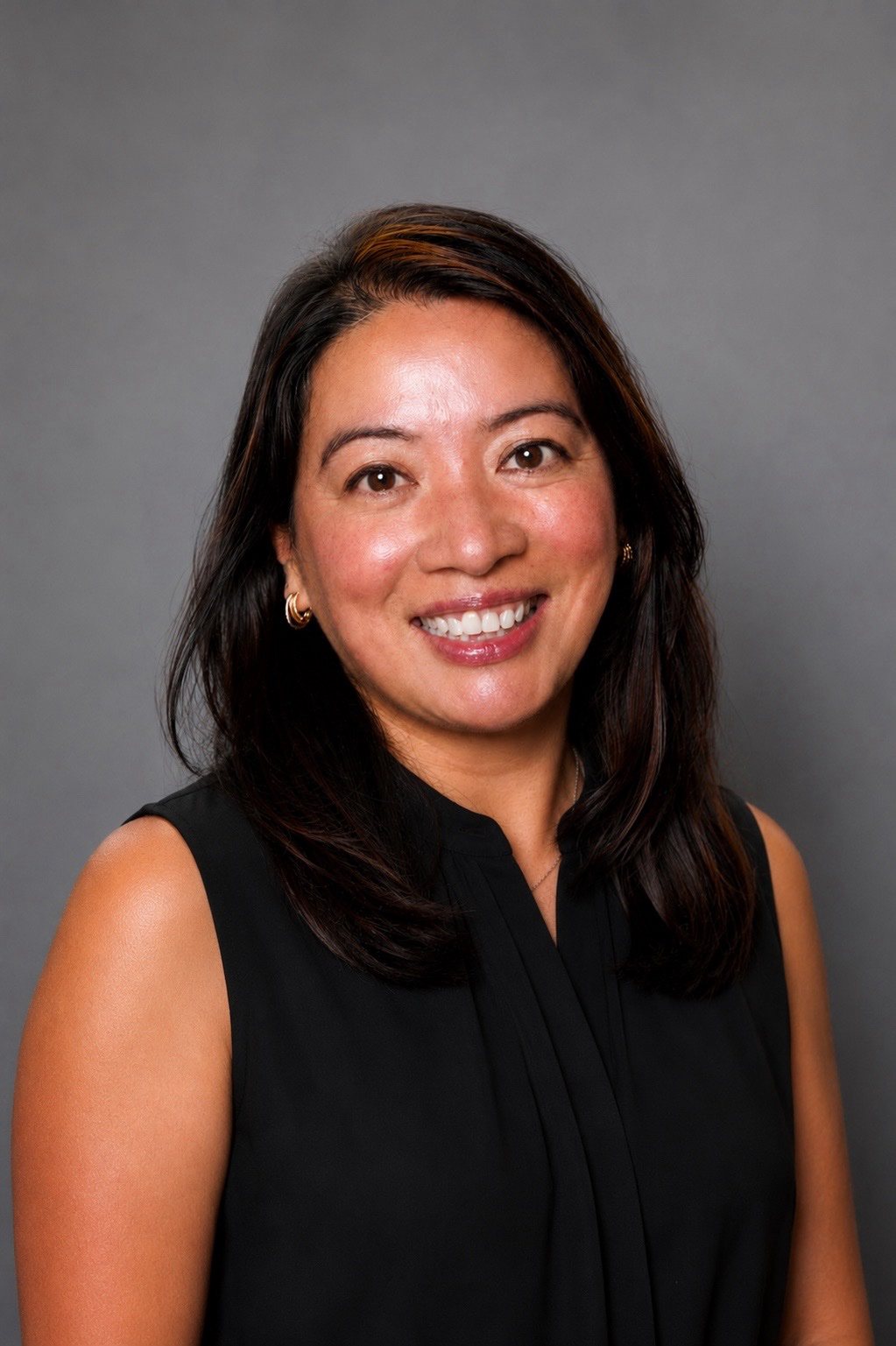
Maan Sacdalan’s nonprofit digital work spans more than two decades, from websites and campaigns to the databases that help organizations carry out their missions. Today, she brings that experience to her work at the National Trust for Historic Preservation and to two companies she co-founded, including a Philippine-based operations team.
Her career offers a useful look at how deep industry knowledge can shape BPO services—and what Filipino job seekers can learn about building skills that solve real client needs. The account below is based on the original profile of Maan Sacdalan on BPOAI.ai.
“A strong digital career combines tool knowledge with an understanding of how an organization’s work and mission fit together.”Key takeaway · POEA Job Finder
Source: Maan Sacdalan Brings Two Decades of Nonprofit Digital Work
Two decades of nonprofit digital work
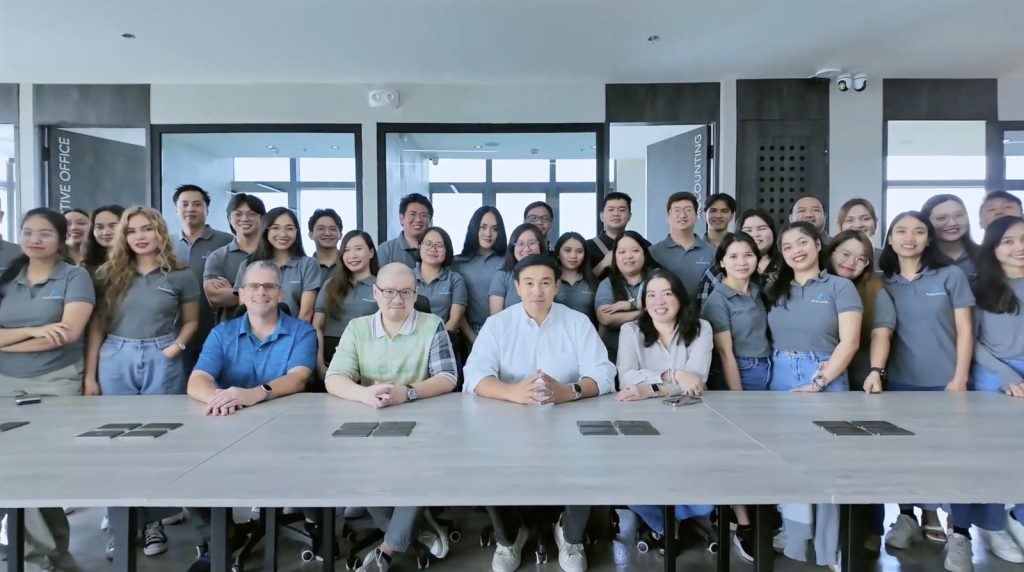
Sacdalan has spent more than 20 years in Washington, DC, designing and developing websites for nonprofits, schools, law firms and digital agencies in the United States and Canada. Her work grew beyond website design and development. She also took on campaigns, donation pages and databases, building the ability to guide a project from its first idea through to its final result.
“Understand the client’s work, not only the tool.”
That combination of creative and technical work has informed three roles she holds today. She is Director of Digital Production and Database Management at the National Trust for Historic Preservation, a co-founder of Stratovation Partners, and Co-founder and Chief Technology Officer of Arbcentrix.
Her career has included work with Reading Is Fundamental, the American Kidney Fund and Asian Americans Advancing Justice | AAJC. Across those organizations, she managed web development, digital campaigns and online engagement. She has seen nonprofit technology from more than one angle: as a practitioner inside organizations and as someone helping other teams use the tools.
For two years, Sacdalan worked on the Engaging Networks client support team, helping nonprofits get their email, advocacy and fundraising programs working. She has also used Luminate Online, Raiser’s Edge, netFORUM and Revolution Online. That platform experience gave her a practical understanding of how the systems behind a nonprofit’s communications and fundraising fit into day-to-day work. This breadth is central to her nonprofit digital work: understanding both the technology and the purpose it serves.
At the National Trust, she has led digital production and database management since 2018. Working with websites, campaigns and data at a national nonprofit with a lean team helped shape the idea behind Arbcentrix: provide mission-driven organizations with skilled people who understand nonprofit work and can join the client’s systems and processes.
As Sacdalan puts it: “Nonprofits don’t need another vendor. They need people who already get the work and can jump in.” Her view comes from experience with the pressure of delivering digital work while keeping the organization’s mission at the center. She describes the recurring challenge this way: “Big mission, small team. My job has always been making the technology do more so the people can focus on the mission.”
From nonprofit tech to Arbcentrix
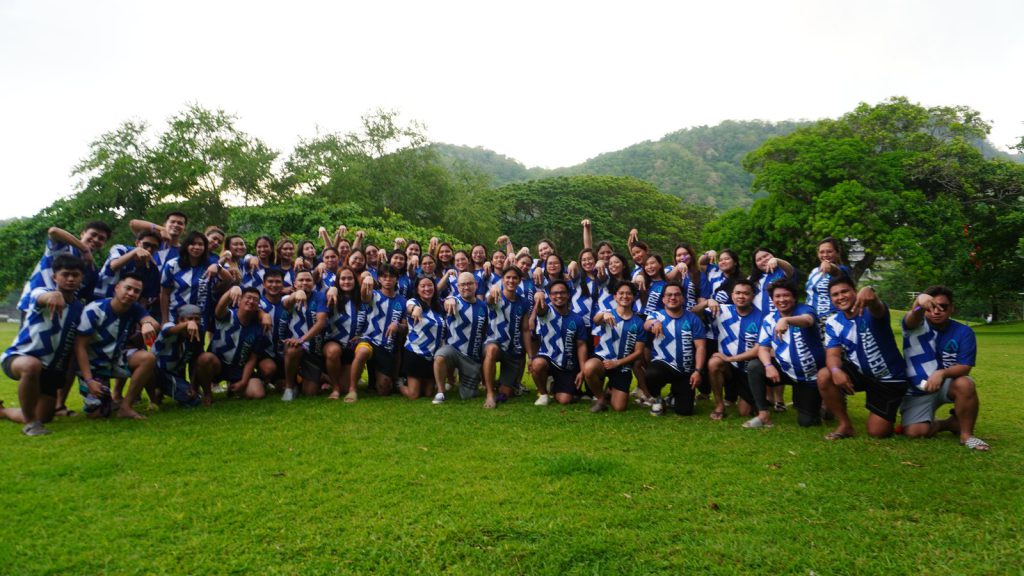
After 20 years of freelancing, Sacdalan co-founded Arbcentrix with two longtime friends: Alfred Antonio, now Co-founder and CEO, and Ystevie Ty, Co-founder and COO. The company describes itself as a global operations and business process partner, with offices in the Philippines, California and Washington, DC.
The company grew from a need she had seen repeatedly: organizations with ambitious work but too few people to carry it out. Arbcentrix’s approach is to place embedded professionals across finance, marketing, customer care, fulfillment, property management and recruitment. Its Philippine team works from the Savya Financial Center in ARCA South, Taguig, with operations running 24/7, according to the company.
For Filipino applicants considering BPO or overseas career options, the story is a reminder to look beyond a job title and advertised pay. The kind of client, work arrangement and opportunity to build relevant expertise all matter. POEA Job Finder’s guide to comparing local BPO work with overseas employment can help candidates consider those trade-offs.
Arbcentrix is not presented simply as an external supplier completing a handoff. Its model places professionals within a client’s operations, where their work can connect to the organization’s systems and ongoing priorities. For a job seeker, that makes questions about the actual tasks, tools, communication and team structure especially useful when evaluating a role.
Built on the Filipino work ethic
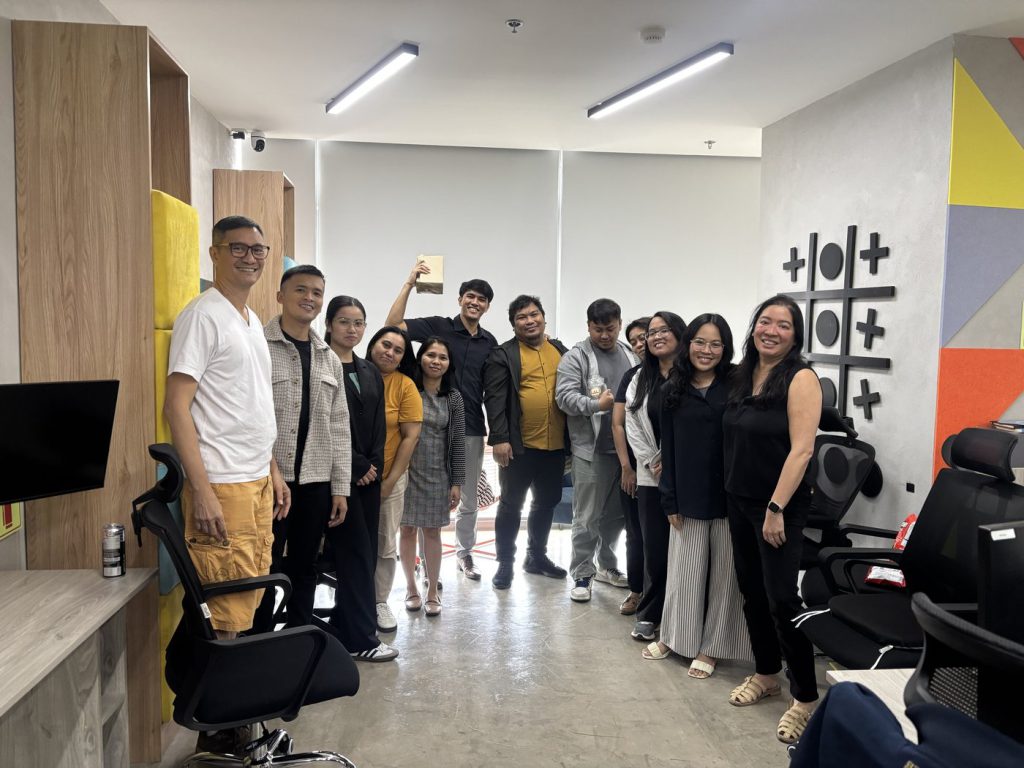
Sacdalan says the Philippine team is central to why Arbcentrix exists. She started the company because she believes in the Filipino work ethic and wanted to connect Filipino professionals with the organizations she has spent her career serving. The company’s Taguig office supports round-the-clock operations, while its staff work alongside clients rather than sitting outside their daily processes.
Her own nonprofit background shapes the technology work. Arbcentrix says it has strong experience with Engaging Networks, a platform Sacdalan has worked with for years. The company also offers AI and automation work intended to take repetitive tasks off clients’ plates.
Sacdalan describes the embedded approach through the practical details of collaboration: team members can be in the same Engaging Networks account, Slack channels and deadlines as their clients. That kind of setup asks professionals to understand not just a software tool but also how their part of the work fits into a client’s routine.
Her belief in Filipino talent is personal and directly tied to the company’s purpose: “I started Arbcentrix because I believe in the Filipino work ethic. Our team treats every client’s mission like it’s their own.” For job seekers, the takeaway is not that every role will look the same, but that reliability, communication and understanding a client’s goals can matter alongside technical ability.
AI and automation are also changing how some BPO tasks are handled. To understand the distinction between a tool supporting a worker and replacing their judgment, candidates may find it useful to see how AI can assist insurance claims officers while a person remains responsible for the final decision. A separate look at AI use in outsourcing raises relevant questions about how employers use and govern these tools.
“Nonprofits don't need another vendor. They need people who already get the work and can jump in.”Maan Sacdalan · Director of Digital Production and Database Management at the National Trust for Historic Preservation; co-founder of Stratovation Partners and co-founder and CTO of Arbcentrix
What changes after the tools arrive
Sacdalan co-leads Stratovation Partners with Eric Rubin and Ben Childers. The firm advises mission-driven organizations and nonprofits on growth and expansion strategy, AI adoption, futures design and organization design. Its work connects technology choices with the broader question of how an organization operates.
For Stratovation Partners, AI adoption is not only about getting a tool into use. The firm emphasizes what follows: how decisions are made once the technology is in place and where the capacity it frees up should go. In that view, implementation is only part of the change. Teams also need to decide what work deserves the time that automation may return to them.
That question reflects the constraints Sacdalan has seen in nonprofit organizations, where staff time is scarce. A tool may reduce repetitive tasks, but that does not automatically determine what a team should do next. Leaders and workers still need to identify priorities, agree on how decisions will be handled and direct their capacity toward useful work.
For Filipino BPO professionals, this is a valuable way to think about AI-related roles. Familiarity with a platform is useful, but so is the ability to understand a workflow, notice where a process is slowing down and explain how a change affects the people doing the work. Employers and candidates can ask not only which tool is being introduced, but what responsibilities remain with the team and how success will be judged.
Sacdalan’s practical question is what the team does with the hours it gets back. That makes technology adoption a people-and-work issue, not just a software decision. If a process becomes faster, organizations still need a plan for the time and attention newly available to staff.
Where she says it is going
Sacdalan continues to work with clients who have known her since her freelance years. Alongside her roles at Arbcentrix and Stratovation Partners, she continues her nonprofit work in the United States. On her website, she says she looks forward to growing, innovating and delivering creative solutions for the organizations she serves.
The lesson she brings to BPO leaders comes from watching small nonprofit teams stretch every hour: before introducing AI into a client’s workflow, consider where the freed time will go. The technology matters, but its value also depends on whether the organization can put the capacity it creates toward a meaningful priority.
That perspective applies to job seekers, too. When exploring digital production, database, marketing or automation work, ask how the role supports a client’s actual operations. Find out whether the work involves maintaining a system, supporting a campaign, improving a process or coordinating with an embedded team. Those details make a job description more concrete and help you identify the skills you may want to strengthen.
For candidates weighing work locations, comparing employers and opportunities across cities can help clarify what fits your plans; see POEA Job Finder’s guide to BPO jobs in Cebu, Clark and Davao. If you are considering overseas employment, check current guidance and worker-protection information through the Department of Migrant Workers before making decisions about an offer.
What Filipino job seekers can take from her path
Sacdalan’s career shows how experience can deepen when a professional learns both the technical platforms and the needs of the organization using them. Her work has moved across web design, development, campaigns, donation pages, databases and client support. That breadth helped her understand how separate pieces of digital work contribute to a mission—and later helped inform a service model built around working inside client teams.
Her path is not a formula every applicant needs to copy. It does, however, suggest practical ways to prepare for BPO and digital operations roles: describe the systems you have used, explain the work you supported and be ready to connect your tasks to the client’s goals. If you are new to a particular field, focus on learning the tools and processes that appear in the roles you want, then show how you communicate and work reliably with a team.
Most importantly, treat AI as part of a changing workflow rather than an isolated trend. Ask what tasks it supports, where human judgment remains necessary and how the team will use any time saved. Sacdalan’s path through nonprofit digital work shows why technical skills matter most when they help people put capacity back into the mission. For a job seeker, understanding that purpose can help you assess an opportunity and explain the contribution you hope to make.
Practical next step: Browse POEA Job Finder for BPO and digital operations openings, then compare each role’s tools, responsibilities and work arrangement with the skills you can demonstrate.