
Aris Ignacio Teaches Students to Use Technology Responsibly
Dr. Aris Ignacio connects AI education with applied engineering and a stronger voice for internet users. His example offers Filipino job seekers a way to pair technical skills with sound judgment.
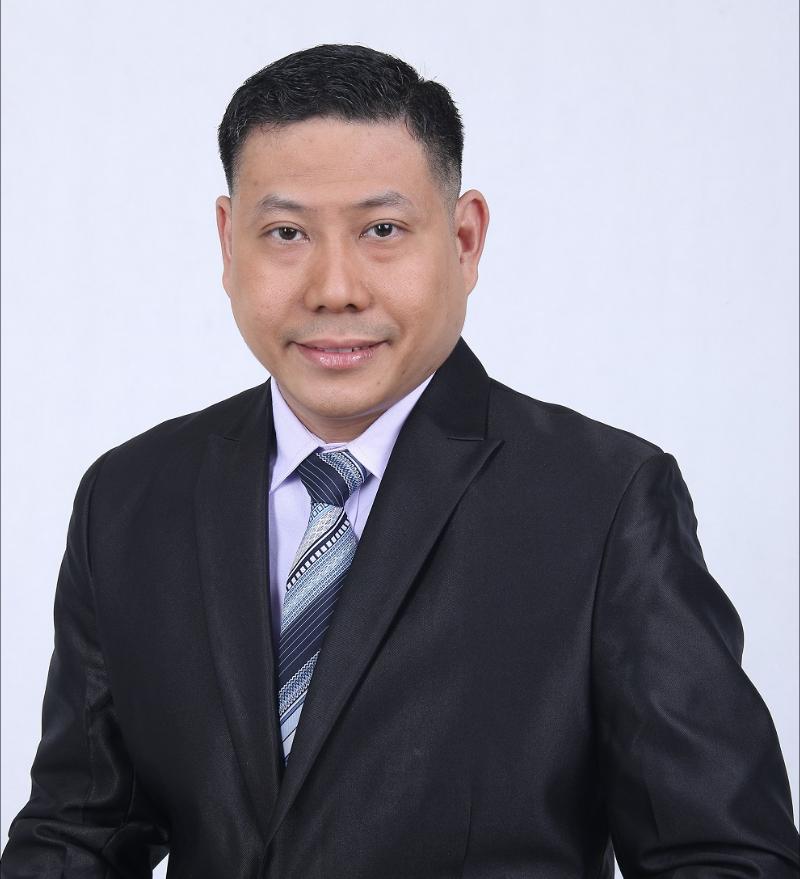
Responsible technology use means building the skills to work with digital tools while considering who they affect and how they should be applied. Dr. Aris Ignacio has made that balance part of his work as dean of an IT and engineering college, where students study fields shaped by AI and automation.
His responsibilities also extend to internet governance. As Chair of APRALO, he represents internet users across Asia-Pacific within ICANN. For Filipino students and job seekers, Ignacio’s path offers a useful reminder: technical capability matters, but so do judgment, participation and the ability to explain how a tool serves a real need. The original BPOAI.ai report on Aris Ignacio covers his college work and his APRALO role in more detail.
“Build skills that employers need, and be ready to explain how you would use technology thoughtfully in a real workplace.”Key takeaway · POEA Job Finder
Source: Aris Ignacio Is Teaching Students to Use Technology Responsibly
An early move into AI education
Southville International School affiliated with Foreign Universities (SISFU) began offering an artificial intelligence specialization within its information technology degree in 2018, working with Acer. That decision came before generative AI became a familiar part of everyday conversation. The college’s early focus suggests that training institutions can prepare learners for changes in industry while a technology is still developing.
“A project becomes more compelling when you can explain its purpose and its impact on people.”
The aim was not simply to teach students about a new subject. Ignacio described graduates as people who could help organizations become more innovative, efficient and sustainable. For anyone considering a technology course, that framing is worth considering: employers need people who understand tools, but also how those tools fit into larger operations and goals.
By June 2025, the college listed three specialist tracks: Artificial Intelligence and Machine Learning, Information and Cybersecurity, and Data Science and Business Analytics. SISFU also identified industry partners including Oracle, AWS, Acer and Huawei. The curriculum gives students several ways to develop technical depth, while Ignacio’s public comments emphasize the values and responsibility that should accompany it.
That combination has relevance for candidates in the Philippines, including those looking at IT-BPM and BPO careers. A course or certificate can introduce a skill area, but applicants still need to show how they can apply what they learned. A project, internship or clear explanation of a technical problem can help connect classroom knowledge to a workplace need.
For a workplace view of AI adoption, this account of AI use in an outsourcing company offers context for questions candidates can ask about how tools are introduced and governed. It can help job seekers think beyond whether a company uses AI and consider how that use affects workflows and people.
Engineering skills for changing workplaces
Ignacio’s college also prepares students for work outside conventional IT roles. SISFU announced a BS Industrial Engineering program in November 2024. Ignacio connected the program with automation, robotics and AI, alongside the school’s Computer Engineering studies. Those fields increasingly overlap: a person may need to understand a process, the system supporting it and the people who rely on its output.
Applied student work gives that learning a practical dimension. SISFU reported that a student-and-faculty team was developing a driver-assistance system using dashcam footage to identify traffic signs and warn of possible collisions. The project illustrates how engineering and data-related skills can be brought together around a specific task.
Job seekers can use the same approach when describing their own experience. Rather than listing software names alone, explain what you tried to solve, what part you handled and what you learned about the tool’s limits. If a project involved data, automation or AI, be prepared to describe how people would use its results and what decisions should still require human attention.
For those exploring AI-related work, it is also useful to understand how organizations improve existing processes instead of assuming every role involves building a new system. POEA Job Finder’s explanation of AI workflow optimization in established operations provides one way to consider the connection between technology, current work and the people who do it.
This perspective can strengthen an application for a technical role, but it is not limited to engineers. BPO teams may use digital tools in customer support, operations, quality checks or data handling. Candidates who can learn systems, follow appropriate procedures and communicate when something needs review can bring useful skills to varied workplaces.
Why young people belong in internet governance
Ignacio’s work with students includes opportunities to discuss how the internet is shaped. SISFU hosts IN2ITION, the Philippine Youth Internet Governance Forum. At its fourth edition in May 2025, he highlighted the value of young people taking part in conversations about the internet’s future.
That participation matters because online systems influence education, work, communication and access to information. Students who understand the technology can contribute valuable perspectives, but they also need spaces where their experience is heard. Internet governance can sound distant from the day-to-day concerns of a job seeker; in practice, it concerns the rules and decisions that help shape the digital environment people use.
In 2026, Ignacio was chosen by acclamation as Chair of APRALO, the Asian, Australasian and Pacific Islands Regional At-Large Organization. APRALO brings the views of internet users across its region into ICANN, which coordinates the internet’s domain names. His term runs through 2028.
In a statement about the role, Ignacio set out priorities that included keeping the group involved in policy discussions, improving collaboration across the region and making more room for newer participants, especially young people. He also stressed that the work depends on shared effort. The point for students is not that everyone must pursue a governance role; it is that technical careers can include listening, consultation and participation in decisions that affect users.
Ignacio had brought students into regional discussions before taking the chair position. In 2019, he took a group to the Asia Pacific Regional Internet Governance Forum in Vladivostok, where he spoke on a panel that included the ethics of artificial intelligence. That experience links classroom preparation with the ability to engage in broader public conversations about technology.
“It is our duty to open the eyes of this generation to teach them to use technology responsibly and for the good of all.”Dr. Aris Ignacio · Dean, College of Information Technology and Engineering, Southville International School and Colleges
Responsible technology use goes beyond technical ability
Ignacio’s message is that learning how a system works should go together with thinking about its consequences. In a June 2025 statement published by SISFU, he said, “It is our duty to open the eyes of this generation to teach them to use technology responsibly and for the good of all.” The quote captures why technical education should include more than operating software or mastering a specialist subject.
For a student, responsible technology use can start with practical questions. What is the tool intended to do? Who may benefit from it, and who could be affected by its mistakes? What information does it need? When should a person check or override its output? These questions are relevant to AI, cybersecurity, data analysis and engineering because each field can influence decisions beyond the person using a tool.
These ideas are also useful preparation for interviews. A candidate does not need to claim expertise in every ethical issue. Instead, describe how you approach accuracy, privacy, security or human review in a project or task you understand. A thoughtful, specific answer can show that you treat technology as part of a wider process rather than as a solution by itself.
For BPO candidates, the question may be how AI changes a workflow and where employee knowledge remains important. This profile on keeping employees involved as AI changes BPO work offers a related perspective on listening to the people affected by new systems. It can help readers prepare questions about training, workflow changes and human oversight during an interview.
Filipino professionals can also follow developments in the local IT-BPM community. POEA Job Finder’s coverage of Lyriq AI’s engagement with IBPAP provides another point of reference for thinking about how AI-related organizations participate in the Philippine industry. Use that context to form questions, not as a substitute for checking what a particular employer actually does.
What job seekers can learn from his example
Ignacio’s work brings together education, practical projects and participation in internet policy. For job seekers, the transferable lesson is to make those elements visible in your own preparation. Decide which type of role interests you, then identify the skills employers request and the evidence you can offer for having developed them.
If you are studying AI, data, cybersecurity or engineering, choose a project that lets you explain the work clearly. Describe the need it addressed, your contribution and how you considered accuracy, security or the people using the result. If your experience comes from work rather than school, connect a task you handled to the tools and decisions involved.
Then prepare questions for employers. Ask what systems a role uses, what training is available and how employees handle situations that require human judgment. These questions help you understand whether the position fits your interests and give you a clearer picture than a technology label alone.
For BPO applicants, remember that companies and roles differ. One employer may use AI in a particular workflow while another may not. Listen carefully to the job description, connect your examples to its actual responsibilities and avoid making assumptions about how a tool is used.
Turn responsible technology use into a career strength
Ignacio’s example is useful because it does not separate technical learning from responsibility. His college’s programs prepare students in specialist fields, while his work with young people and internet governance emphasizes taking part in decisions that affect users. Together, those parts of his career show how technology education can support both employability and broader understanding.
You do not need to follow the same career route to apply that idea. Build a skill employers need, practise explaining it through a project or work example, and consider who depends on the tools you use. If you are still developing your qualifications, choose a learning goal that is relevant to a role you can realistically pursue.
Your next step can be simple: find a job opening that fits your interests, compare its requirements with your current experience, and prepare one example that demonstrates both a useful skill and sound judgment. Browse POEA Job Finder listings, then tailor your application to the responsibilities and tools named by the employer.