
Ike Stranathan: AI Will Reshape BPO, Not Kill It
STAFFVIRTUAL CEO Ike Stranathan says AI will change BPO work, not end it. His view offers Filipino job seekers a practical way to think about skills and technology.
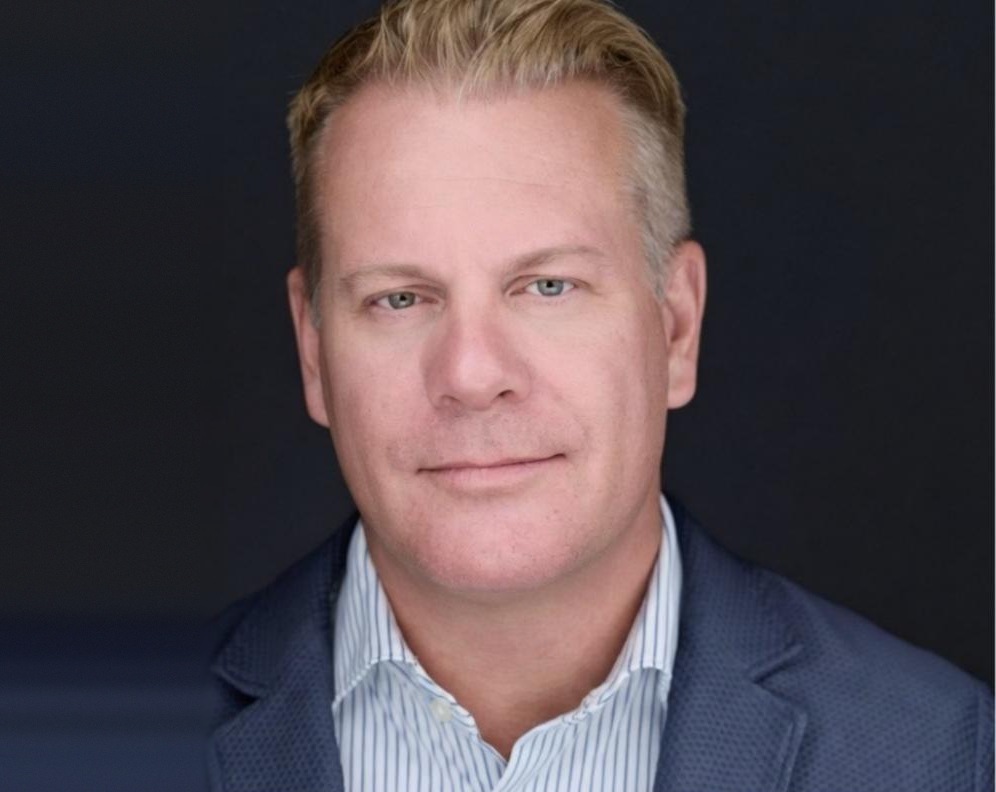
AI in BPO is more likely to reshape work than erase the industry, according to STAFFVIRTUAL CEO Ike Stranathan. For Filipino job seekers, that means learning how people and AI tools can work together may matter more than competing with automation alone.
Stranathan has spent much of his career building outsourcing teams in the Philippines. In a LinkedIn post, he put his view plainly: “AI is not going to kill the BPO industry. It’s going to completely reshape it.” The profile of his career and his comments on the sector are covered in this BPOAI article about Stranathan’s outlook.
“Workers can prepare for AI-enabled BPO by strengthening the human skills and careful tool use that help teams deliver better work.”Key takeaway · POEA Job Finder
Source: Ike Stranathan Says AI Will Reshape BPO, Not Kill It
From FDA compliance to Manila

Stranathan’s route into outsourcing began in a very different field. After graduating from the University of Kansas in 1998, he joined cGMP Validation, according to his LinkedIn profile. He carried out validation studies for drug, biotechnology and medical-device companies, then moved into project management and became the company’s West Coast regional representative.
“The work is changing; human judgment still matters.”
His clients included large pharmaceutical businesses, medical-device manufacturers and small biotechnology startups. That experience gave him exposure to organizations with varied operational needs before he went on to build a company of his own.
In 2009, inspired by Tim Ferriss’s The 4-Hour Workweek and early Filipino outsourcing pioneers, he left California for Manila. He founded STAFFVIRTUAL in November that year. The company’s own history describes the move as the start of an outsourcing business that would build teams for clients.
Seventeen years later, Stranathan remains its CEO. STAFFVIRTUAL describes itself as an American-owned outsourcing company based in Miami, with offices and remote talent across the Philippines. It builds customer-support, back-office and IT teams for clients in areas such as legal services, technology, healthcare and e-commerce. Its website also highlights work with managed service providers and law firms.
Company figures in the source profile say STAFFVIRTUAL has hired more than 2,000 employees since its founding, reports a 98% client retention rate and serves a client base that is 74% American companies. These are company-reported measures, not industry-wide benchmarks. Stranathan has also described the personal challenge of moving to Asia alone and building a life and business from scratch. In his writing, he links progress with persistence through pressure and difficult stretches.
Building teams for MSPs and law firms
Stranathan’s experience has given him a close view of the needs of managed IT providers and managed service providers, or MSPs. In a 2026 LinkedIn post, he identified two persistent challenges for remote MSP teams: providing reliable support outside standard business hours and keeping the sales pipeline consistently supplied.
His proposed advantage is a combination of trained Philippine teams and time-zone coverage. As he explained, staff in the Philippines can cover US evenings, nights and weekends. That arrangement can help clients provide round-the-clock support without overworking their domestic employees or paying premium onshore rates.
For a BPO professional, this points to the value of dependable service, clear communication and the ability to work with customers or colleagues in different time zones. Those qualities remain important even when AI helps with routine tasks. A tool may organize a request or suggest a response, but the team still needs people who understand the issue, follow the process and know when to escalate it.
That human responsibility is also the point in this example of why BPO work still needs trained people reviewing AI-supported admin. Stranathan’s view is not simply that Philippine workers can offer coverage. His broader argument is that outsourcing teams can combine skilled people with systems that help work move more effectively.
Choosing who to work with
Stranathan has also written about being intentional when selecting clients. He described one major turning point as deciding to work only with people he enjoys, respects and trusts—people whose company gives him energy.
That choice is part of how he describes building a sustainable business, rather than treating every client relationship as interchangeable. For job seekers, the idea has a practical parallel: the role, manager and team culture matter alongside the job title. When applying, look for a clear description of responsibilities, expectations and support. In interviews, ask how the team handles coaching, difficult customer situations and changes to its tools or workflows.
For employers, the principle suggests that strong partnerships depend on fit and trust as well as the service being delivered. AI may change how a task gets completed, but it does not remove the need for people to communicate, make sound judgments and work well together.
“AI is not going to kill the BPO industry. It’s going to completely reshape it.”Ike Stranathan · CEO of STAFFVIRTUAL
AI in BPO: Output per person, not cost per seat
Stranathan argues that outsourcing has traditionally been sold through labor arbitrage: finding capable people in lower-cost locations to do repeatable work. In his view, AI shifts the emphasis away from the cost of each seat and toward what a worker and team can produce with the right tools. Understanding AI in BPO also means looking at how these tools fit into real workflows, rather than assuming technology alone improves results.
He points to reports of individual developers completing work that previously took five people when supported by AI. He sees a similar possibility in BPO, where technology could help employees handle more work or complete it more effectively. The point is not that every worker will automatically produce more, but that providers will need to rethink how people, processes and software fit together.
As Stranathan put it: “The next generation of BPO companies won’t just provide people. They’ll provide AI-enabled people, automated workflows, better data, and dramatically higher output per employee.” In this model, value comes from combining human judgment with useful systems, not from deploying software without considering the people who must use it.
He made a related argument in 2025, saying that while public attention often centers on companies such as OpenAI, Anthropic and Nvidia, businesses using AI together with skilled offshore talent may be able to scale more effectively. He added that STAFFVIRTUAL builds remote teams in the Philippines that are often supported by AI tools and systems the company helps clients implement.
For Filipino workers, AI fluency can mean more than knowing a tool’s name. It can include checking generated information, writing clear prompts, spotting errors, protecting sensitive information and handing a case to a person when it needs judgment. The appropriate skills will depend on the work. In contact centers, for example, AI can sort incoming email, chat and SMS so agents can focus on distinct customer issues, while urgent complaints still need a human response.
Learning is part of adapting to that shift. POEA Job Finder has explained how AI-supported skills checks can help shape an agent’s learning plan, with a training lead reviewing the plan and providing coaching. This is one practical way to prepare for AI in BPO: build skills alongside the tools, rather than assuming automation removes the need for development.
Where he says it is going
Stranathan expects the distinction between onshore and offshore work to become less significant as AI spreads. His memorable phrase for that future is: “We will all become cyborgs, onshore and off.” He is describing people using technology as part of their work, wherever they are based—not a future in which human workers simply disappear.
His message to founders is about committing to a direction when a business reaches a critical turning point. He quoted Jim Collins on entrepreneurs failing to commit fully at that moment, then gave his own blunt interpretation: “half-in doesn’t cut it.” For BPO leaders, that means treating AI as a serious operational change rather than a passing add-on.
The practical measure he urges the industry to reconsider is output per person, not simply the cost of a seat. Providers will need to consider how trained employees, automated workflows and better information can combine to deliver stronger results. Workers, meanwhile, can strengthen their position by understanding their processes and learning how to use tools responsibly.
What this means for Filipino job seekers
Stranathan’s argument does not promise that every BPO role will remain unchanged. It does offer a useful way to think about the change: focus on the work that still needs people, and learn how technology can support it. Customer communication, careful review, problem-solving and sound escalation decisions can complement automation in many service settings.
Start by identifying the work you want to do—such as customer support, billing, claims or back-office operations. Review job descriptions for the systems and skills employers request, then choose a learning goal that fits your target role. If you already work in BPO, ask your team lead what tasks are changing and what training is available. For example, billing teams may use AI to bring charges and payments together, while an agent still checks the response before sending it; see this guide to AI-assisted work in telco billing and refunds.
When applying, describe how you handle customer needs, check details and learn new processes. Be ready to explain how you would verify an AI-generated suggestion rather than accept it without review. Those habits connect the industry’s changing tools to the everyday responsibilities employers still need people to own.
Stranathan’s outlook is ultimately a call for BPO to evolve: stop defining value only by cheaper seats and focus instead on what a capable team can deliver. Filipino job seekers can take a practical next step now by matching their experience to current openings, then building one relevant skill for the roles they want.
Next step: Browse current openings on POEA Job Finder and compare their requirements with the skills you are ready to demonstrate.